
Wildcrafted in the Pacific Northwest
The Apothecary
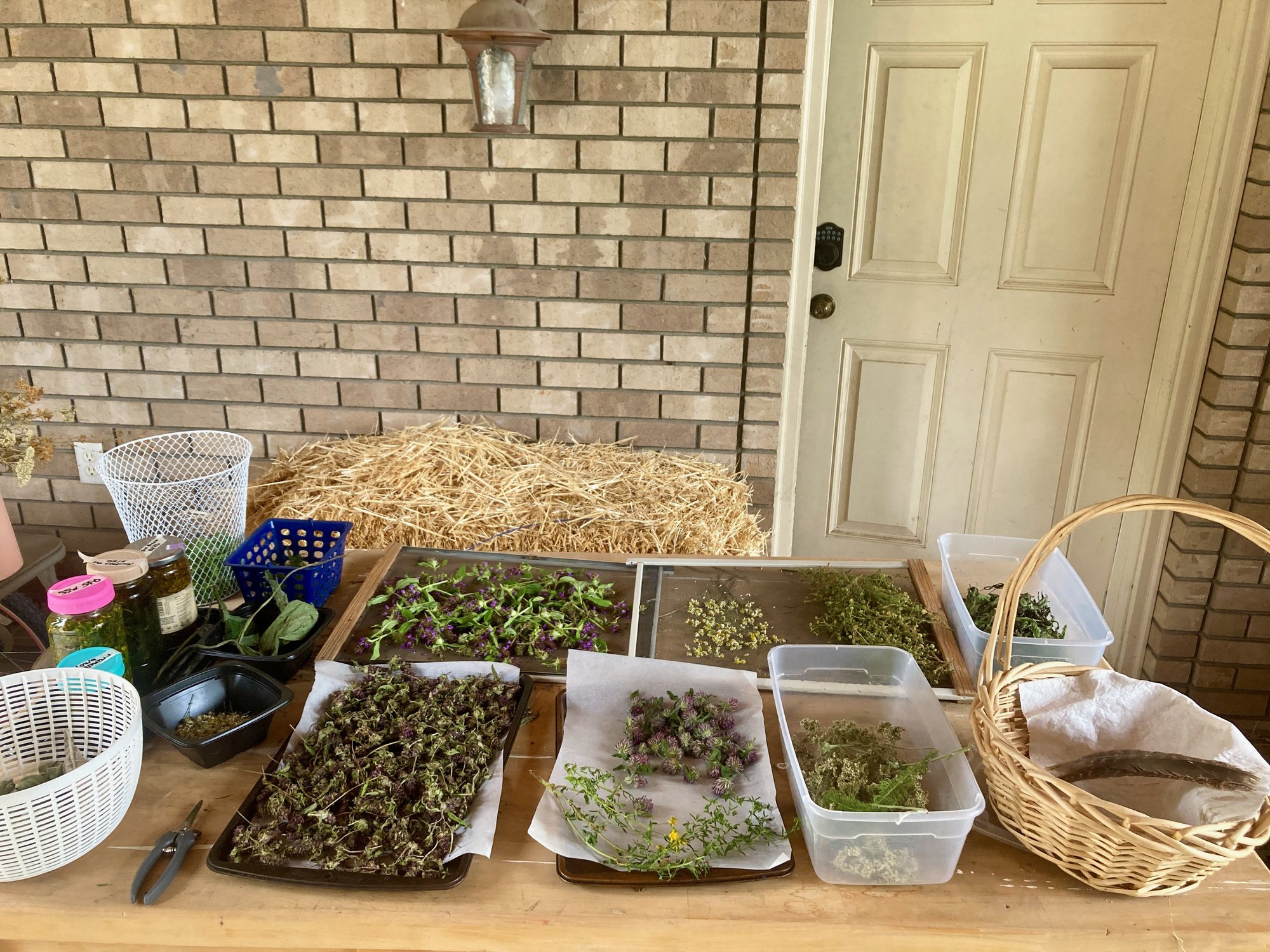
The stillroom sits inside the Keep, and the forest supplies it. Every herb in every tin was gathered on these ten acres — wildcrafted from the stands where it chooses to grow, or forest-grown where it has naturalized into the living soil. The work is slow on purpose: flowers picked at their moment, oils infused over hours, salves poured in batches small enough to carry in two hands.
The Harvest Ethic
Taken gently, or not at all
The keepers harvest by rules older than the shop:
Never more than a third of any stand, in any season. The stand must thrive more than the stillroom needs to fill.
Flowers and leaves only, at their peak — never roots, never whole plants. What is gathered in the morning is processed the same day.
Every stand is photographed before harvest. Any listing can be traced back to the living plants it came from — the same ground, the same season, the same light.
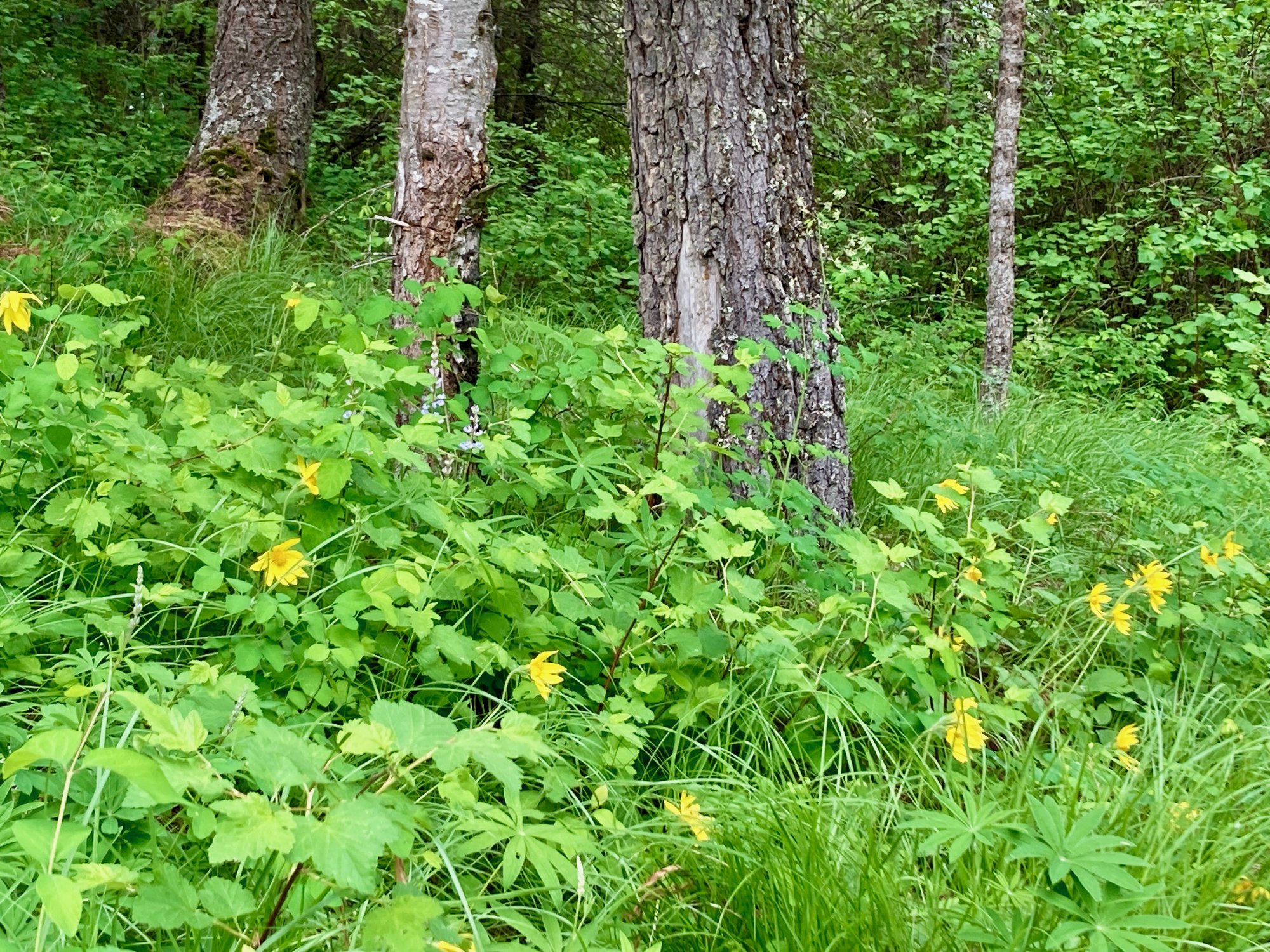
And the shyest herbs get the strictest care. Heartleaf arnica is a watched species across much of the West; here its stands are healthy and abundant, and they are harvested as if they were not — flowers only, a fraction only, after the sun has dried the dew from the petals.
The Method
Slow work, small batches
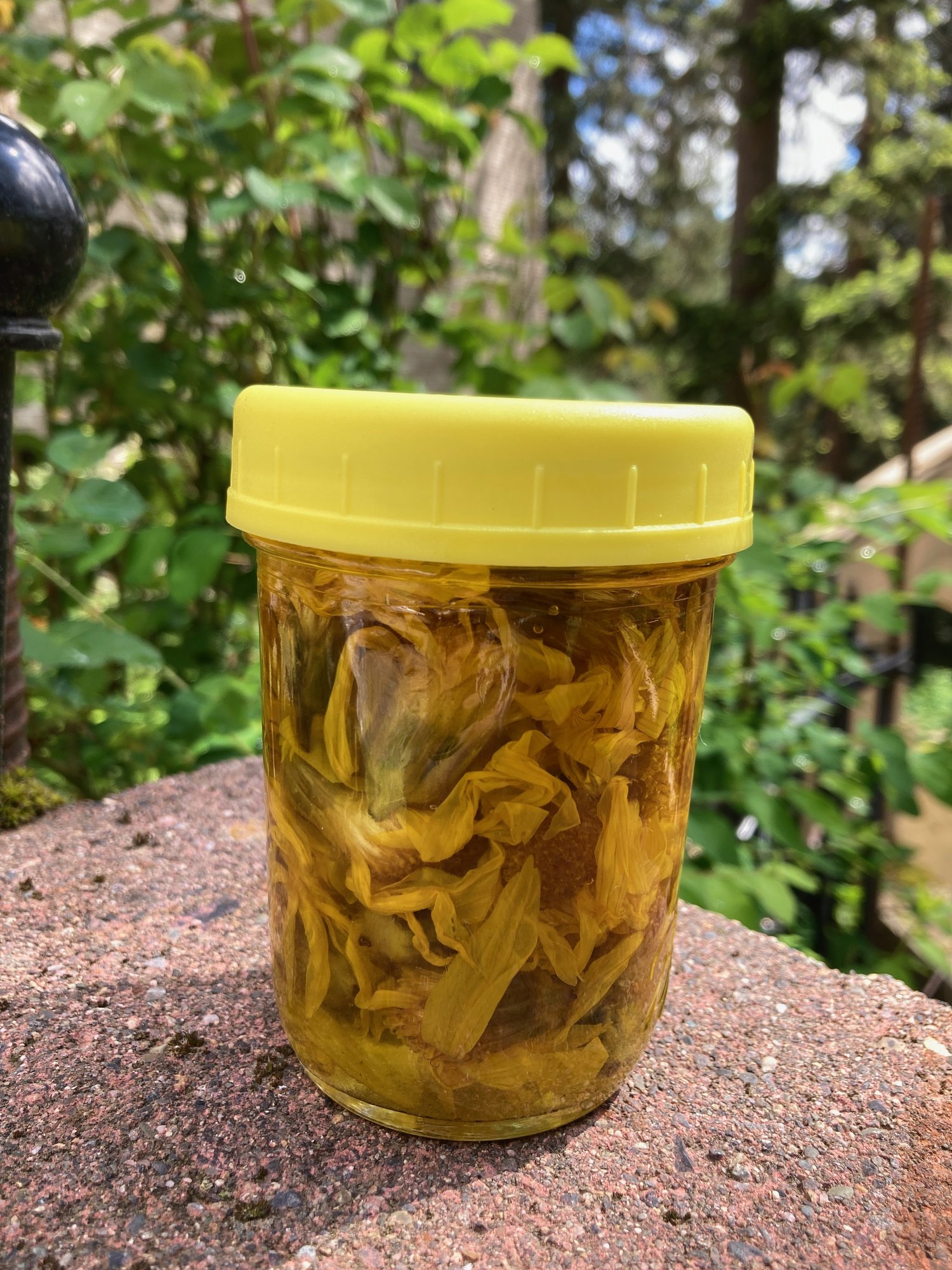
Fresh herbs go into good oils — olive for the body salves, jojoba where the skin is thinnest — and infuse low and slow, hours at gentle heat, then rest and settle before straining. The infused oil meets organic beeswax, nothing else it doesn’t need, and is poured into tins while the light is still good.
Every batch is logged: the date, the stand, the infusion, the pour. A tin from the Keep has a paper trail back to a patch of forest floor.
The Line
From the stillroom now
St. John’s Wort Salve
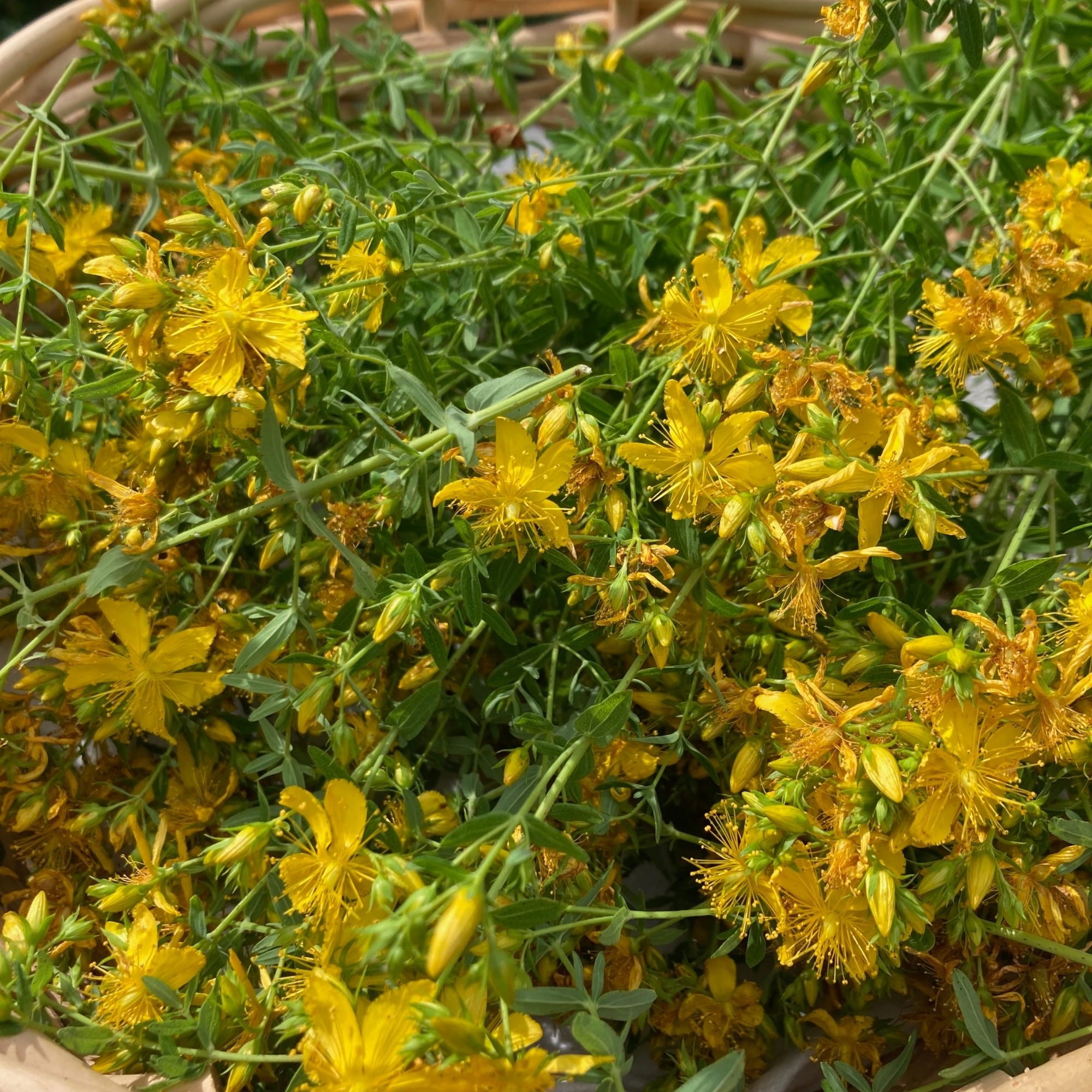
Hypericum perforatum, gathered fresh in its brief midsummer window.
The flowering tops go into olive oil the day they’re picked, and the oil turns the deep red that fresh St. John’s Wort is known for — the color is the flower’s own, and the proof of a fresh harvest. Nothing else added but organic beeswax.
External use only; may increase sun sensitivity; consult a provider if taking prescription medications.
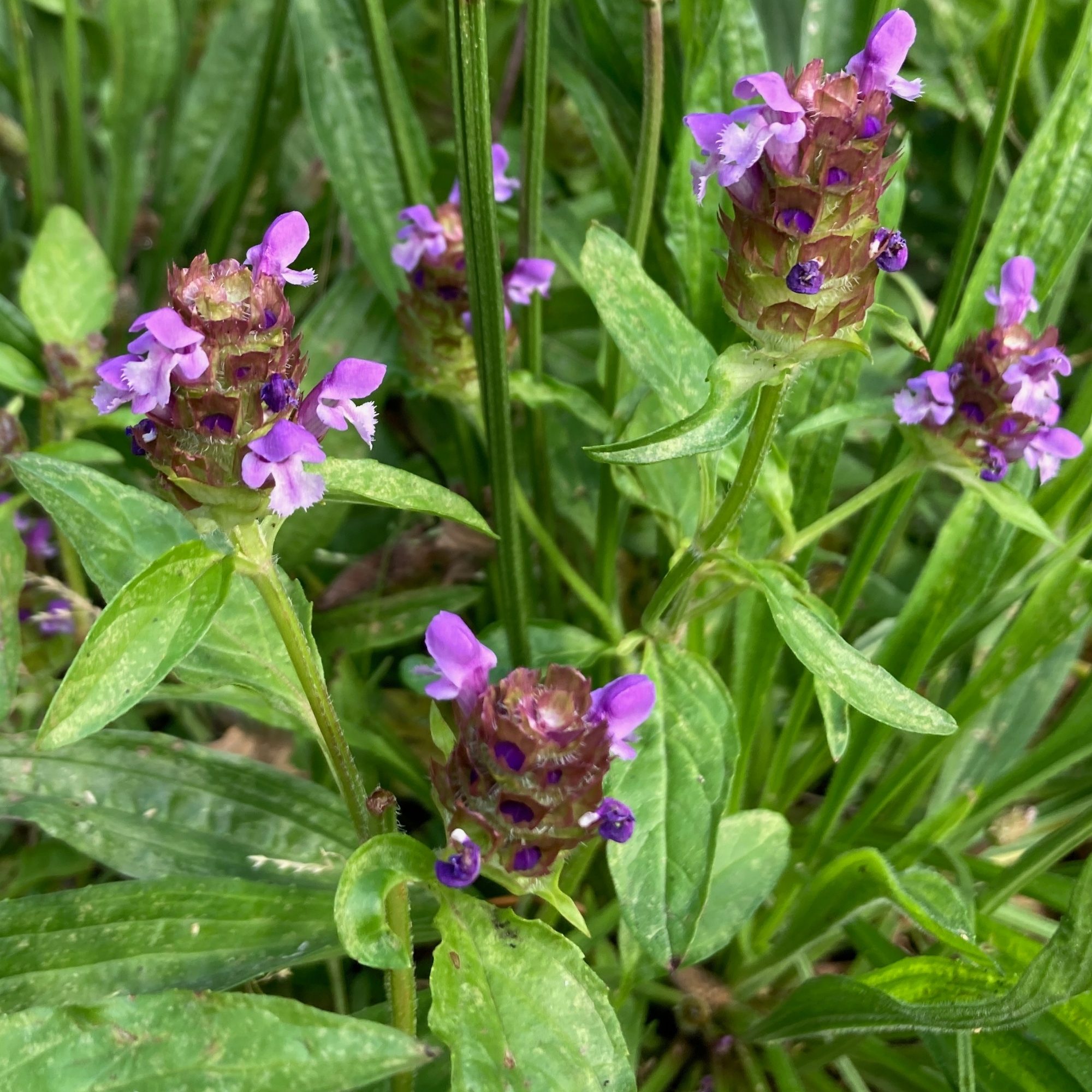
Self-Heal Lip Balm
Prunella vulgaris, infused in jojoba.
A quiet meadow herb in a plush everyday balm — jojoba and castor oils, shea butter, organic beeswax. No essential oils; lip skin is thin, and the balm respects that.
Contains shea (tree nut derivative).
Bite Balm
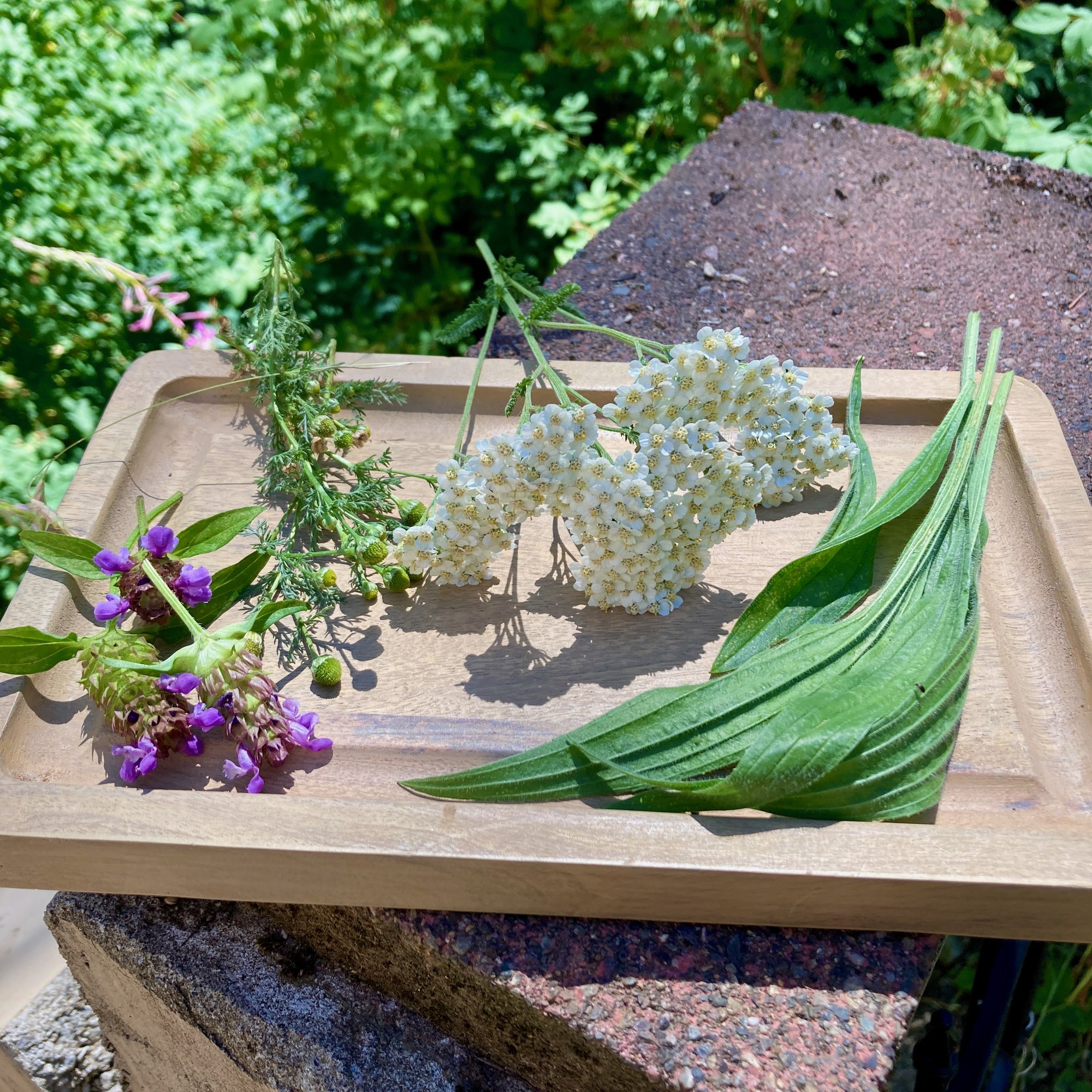
Plantain, yarrow, wild chamomile, and self-heal — four herbs of the grounds in one tin.
The summer companion, made family-safe by design: spearmint instead of peppermint, a gentle lavender-forward blend, patch-test guidance on every label.
Contains daisy-family botanicals and shea; patch test if ragweed-sensitive.
Coming with the harvest
The line follows the forest. As stands come into season and batches prove out, the shop grows: a three-herb trauma-blend salve, dried herbs by the ounce, rolled mullein leaf, and — when the fir needles come down in autumn — a balm that smells like the forest it came from. Nothing is listed before it exists and has been photographed.
The Herbs
The herbs of the Keep
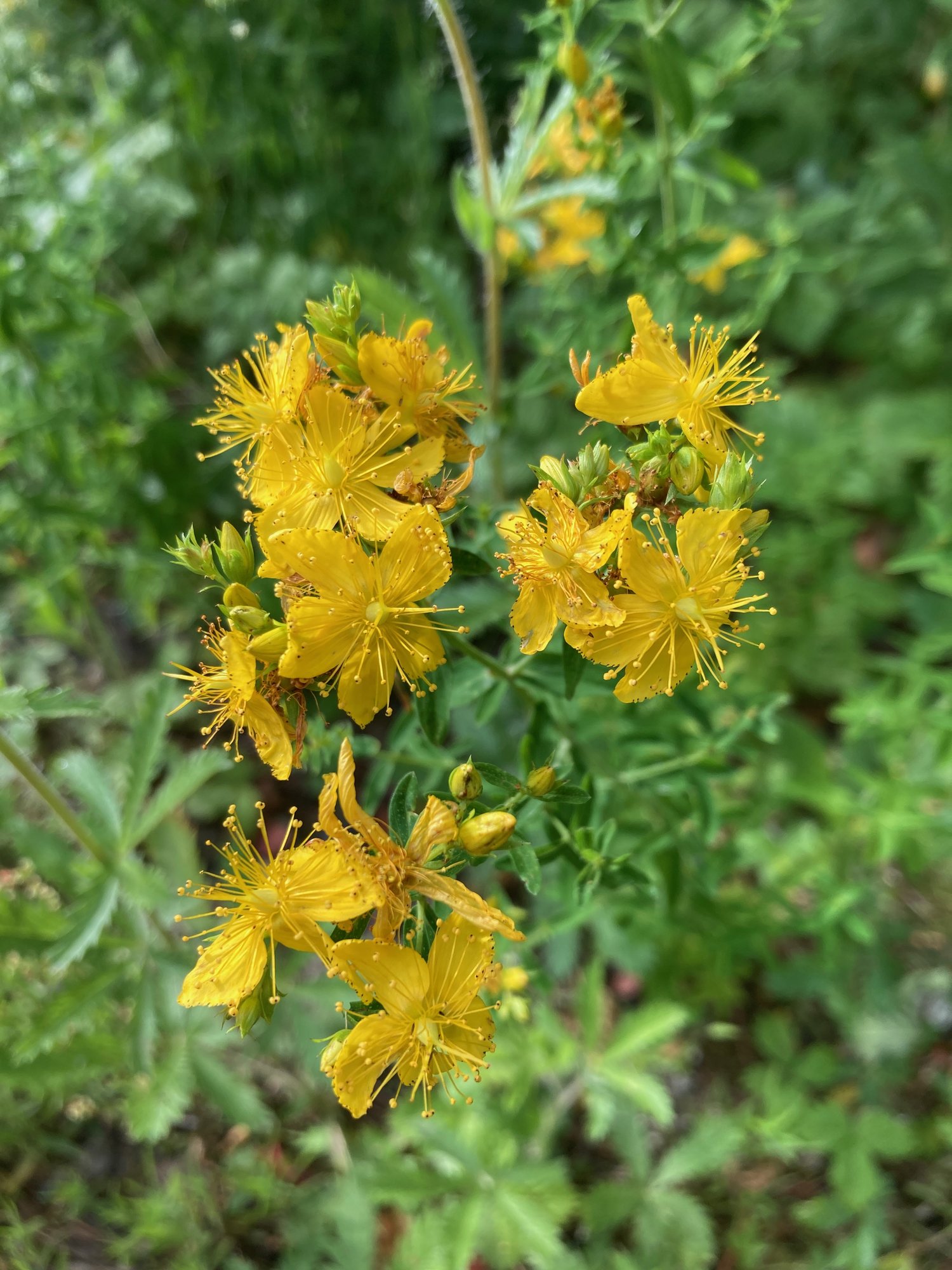
St. John’s Wort
Hypericum perforatum
Blooms gold in the open meadow for a few short weeks around midsummer — the old herbalists timed its gathering to St. John’s Day, and hung it over doorways at the turning of the year. Crushed fresh, the buds bleed red-purple; steeped fresh in oil, they give the crimson Oleum Hyperici that European stillrooms have poured since medieval times. Here it is picked only fresh, only in its window.
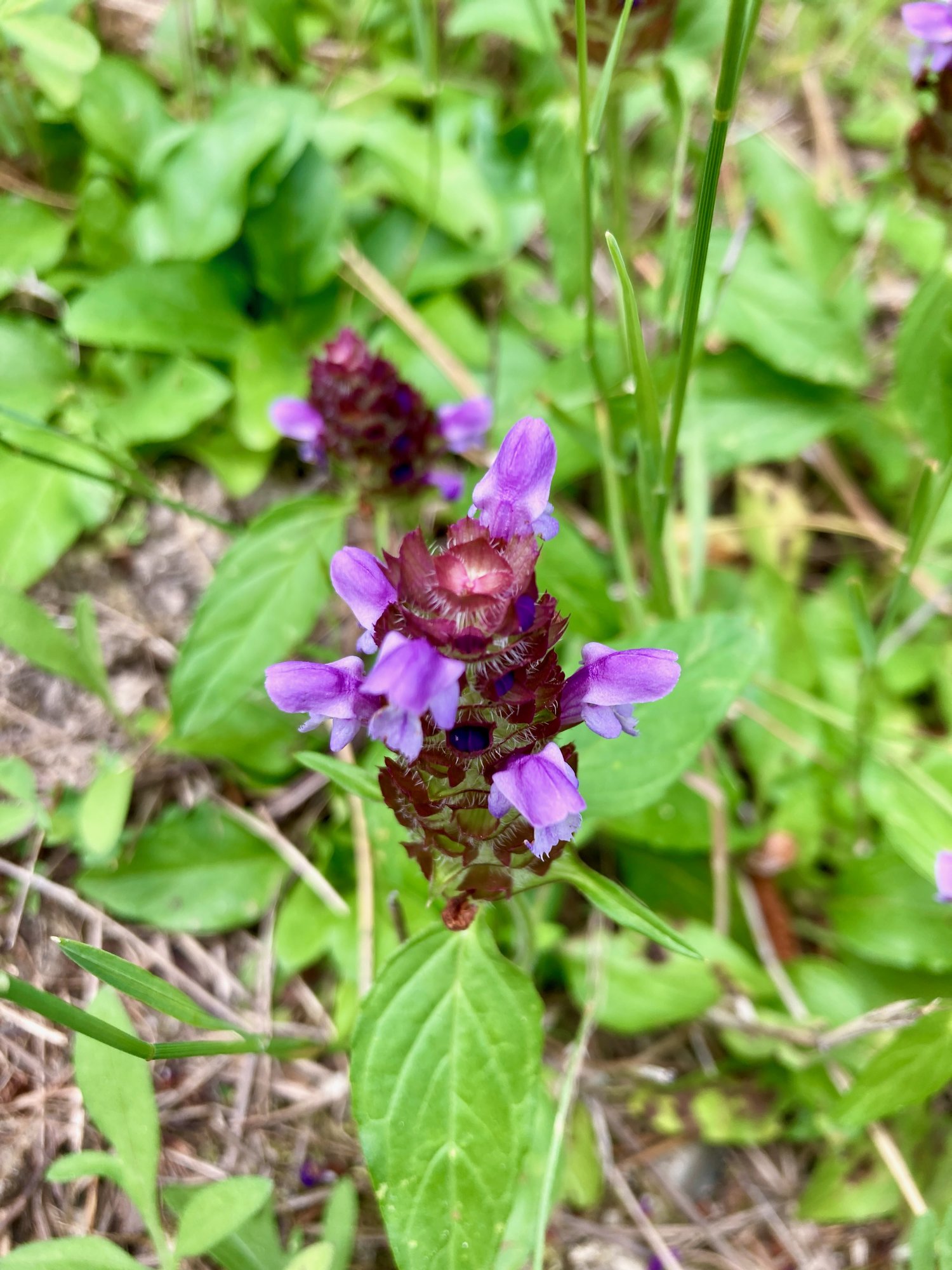
Self-Heal
Prunella vulgaris
The name is the folklore: heal-all, carpenter’s herb — a small purple-flowered mint that European tradition reached for so often it was named for the reaching. It grows low and unassuming in the Keep’s open ground, and is infused in jojoba for the lip balm.
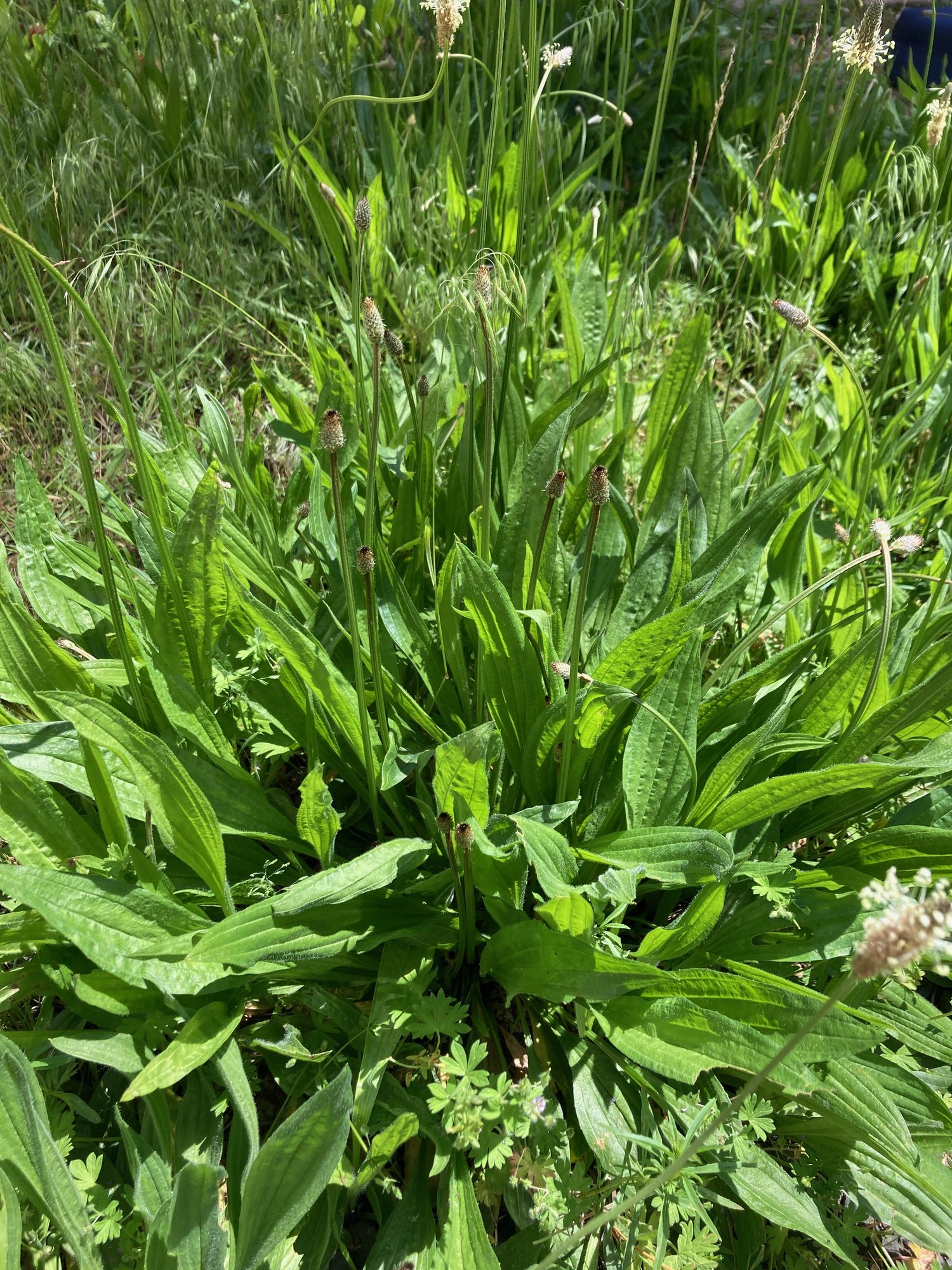
Plantain
Plantago lanceolata
Ribwort — the narrow-leaved plantain, its leaves ribbed like cords, its flower heads carried high on wiry stalks. It has followed people’s footpaths for millennia alongside its broad-leaved cousin, the waybread the Anglo-Saxons sang into the Nine Herbs Charm; European folk first-aid tradition reached for both without much distinction, and ribwort earned its own country names — ribgrass, soldiers, kemps, from the children’s game of striking the flower heads together. It volunteers generously along the Keep’s paths and is gathered at its green best.
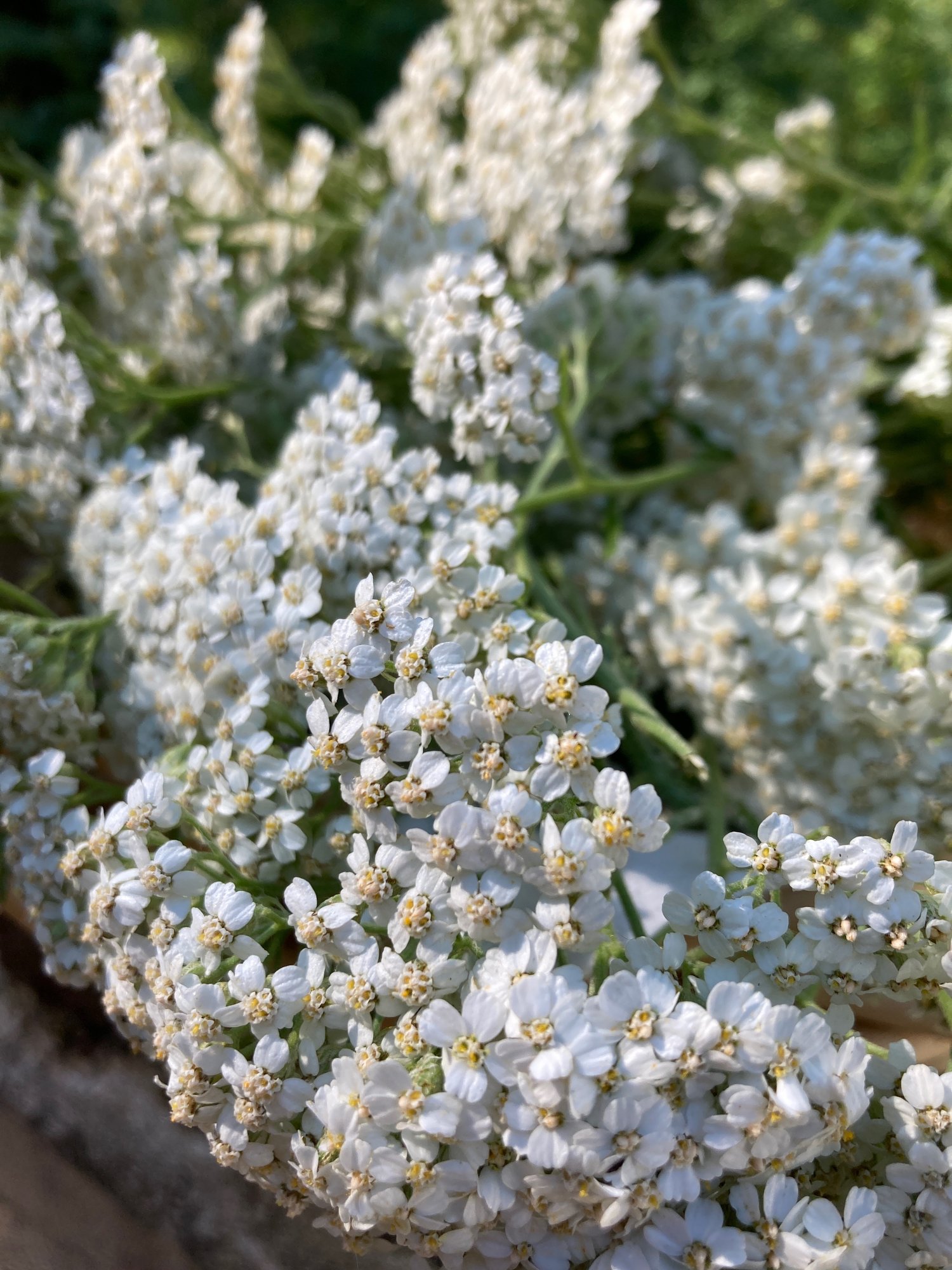
Yarrow
Achillea millefolium
Named for Achilles, who by legend dressed his soldiers’ wounds with it; country names like soldier’s woundwort carried the same story for centuries, and its stalks were cast for the I Ching. Feathery, white-crowned, tough as the dry ground it loves. Gathered in flower.
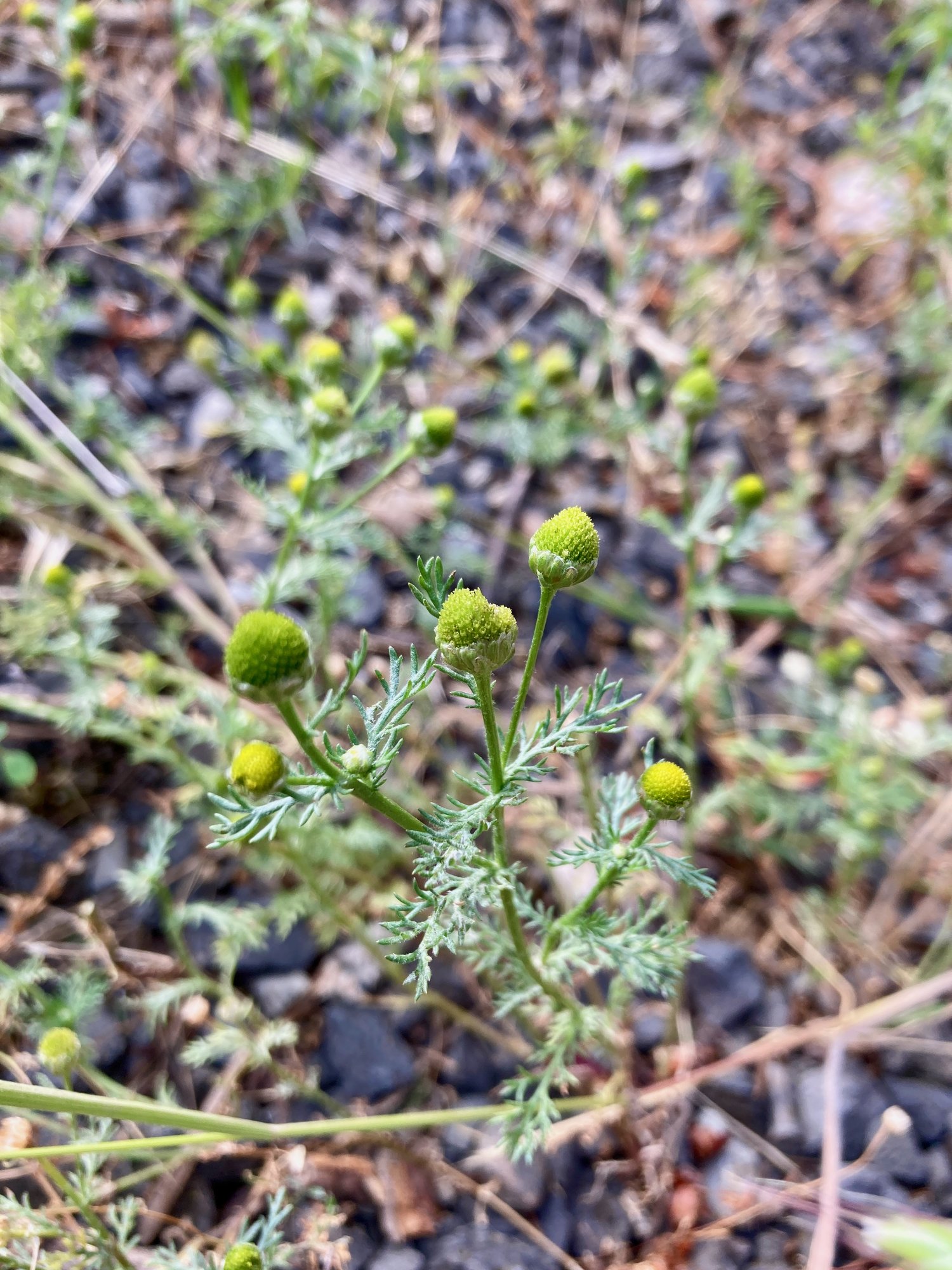
Wild Chamomile
Matricaria discoidea
Pineapple weed: crush a flowerhead and it tells you the name. A North American cousin of chamomile that thrives in trodden ground, used in folk tradition much as chamomile is. It grows where the keepers walk, which seems fitting.
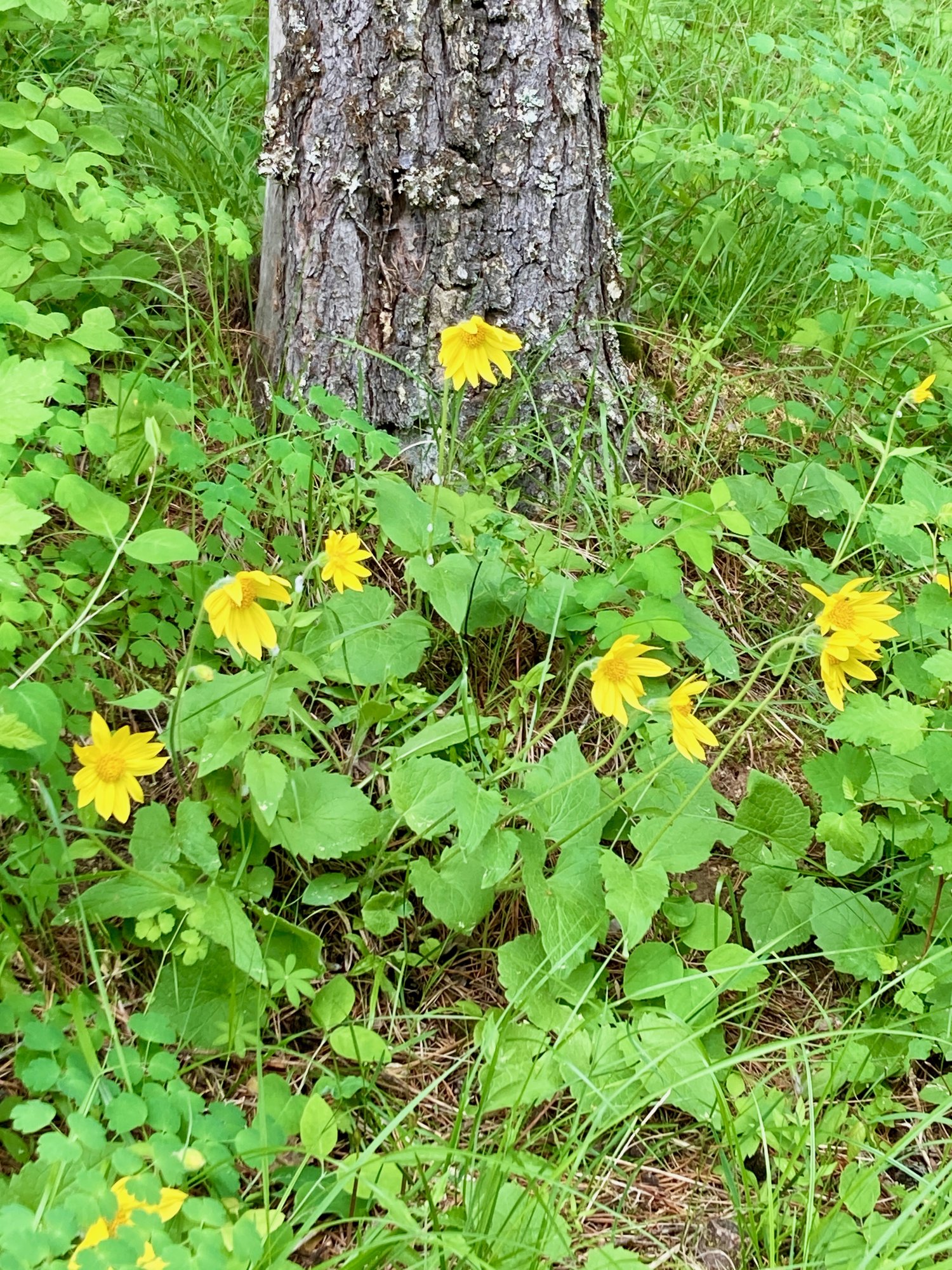
Heartleaf Arnica
Arnica cordifolia
The mountain West’s own arnica, golden in the conifer shade — cousin to the alpine arnica of European tradition, where the flowers have long been steeped in oil for the bumps and bruises of mountain life. A watched species, and treated here accordingly: flowers only, a fraction of the stand, external use only, always.
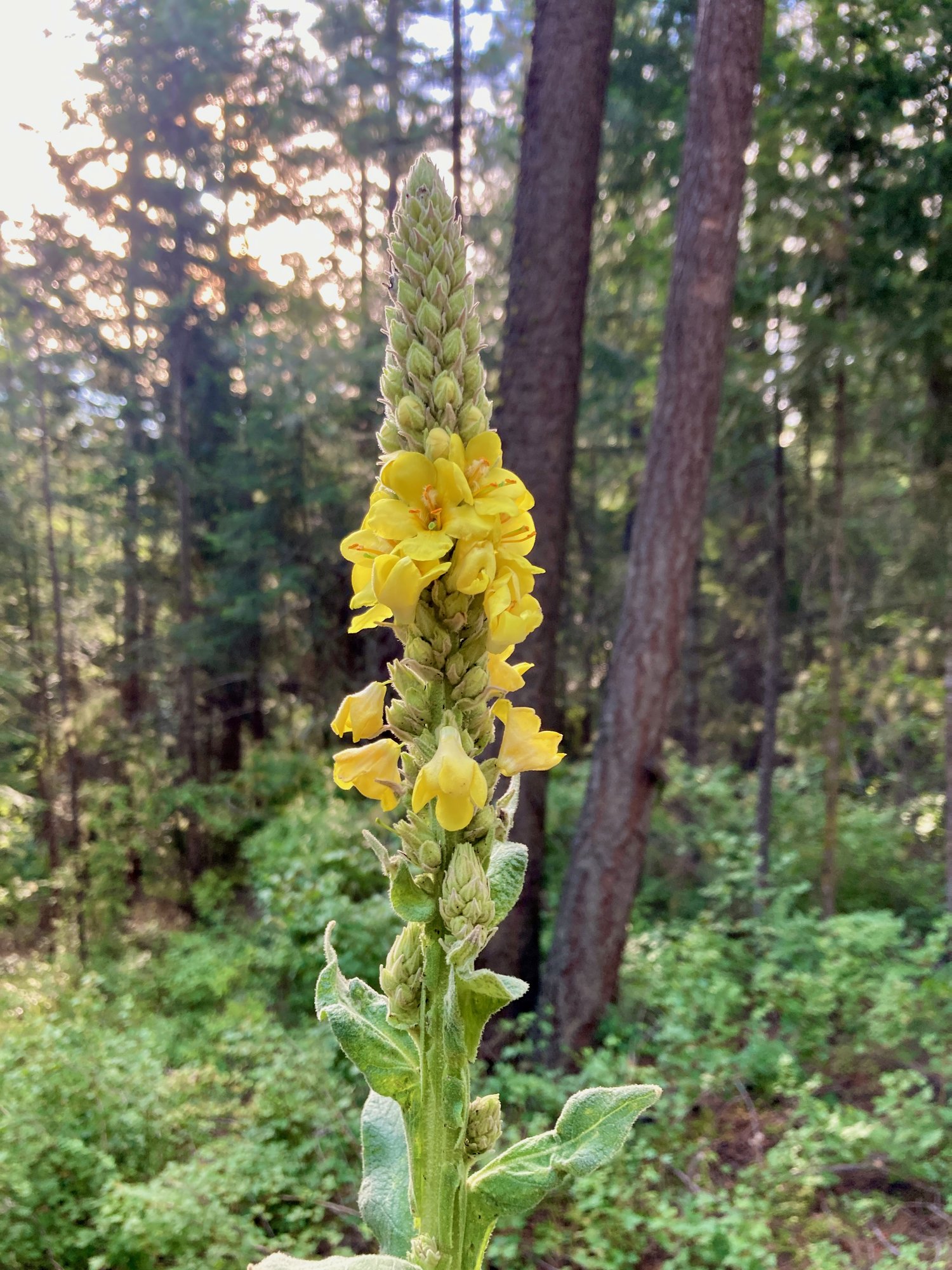
Mullein
Verbascum thapsus
The tall one. First-year mullein is a rosette of leaves soft as flannel — the small, potent leaves the old herbalists prized. In its second year it sends up a stalk taller than the keepers, and that stalk earned it the names candlewick plant and hag’s taper: dipped in tallow or wax, it has been carried as a torch since antiquity. Its dried leaf has an equally long place in traditional smoking blends. The Keep works with both years, each for what it does best.
These notes are plant history and tradition, offered for interest and education — not medical advice, and not claims about any product. What an herb has meant to people for centuries is a story worth telling; what it means for you is between you and your own good judgment.
Whole-Truth Labels
Everything on the label
Every tin tells you the whole of it: the species by Latin name, the oils, the wax, the batch, the cautions. The keepers write labels the way they’d want to read them — complete and plain, trusting you with the full picture. Nothing hidden, nothing padded, nothing you’d need to look up twice.
Availability
The forest sets the stock
Some things exist for three weeks a year. When a listing is gone, it’s because the forest hasn’t offered more yet — the next batch waits for the next season, not the next shipment. If you want to know when an herb comes back, the Field Notes follow the harvest as it happens.