
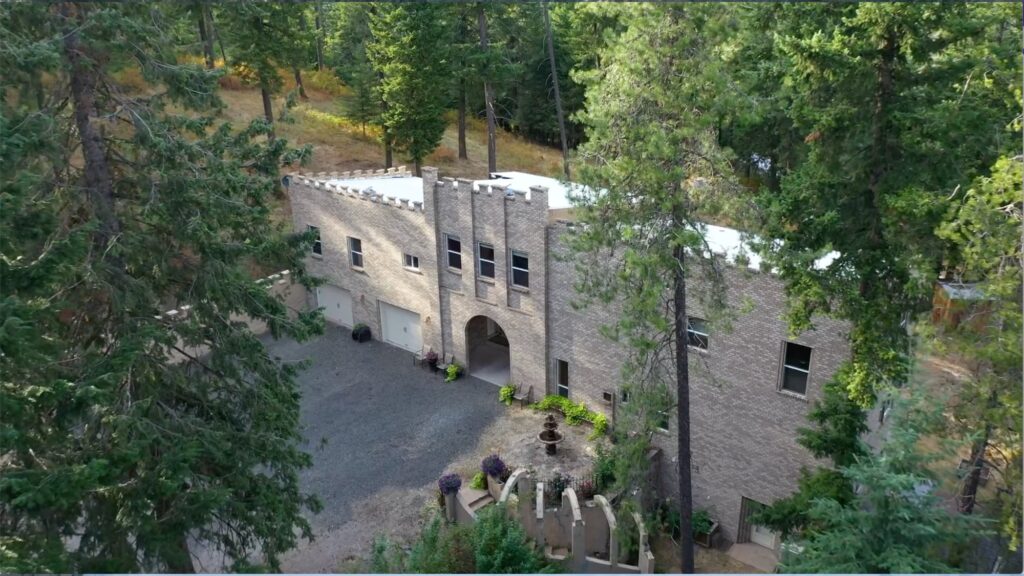
The Keep
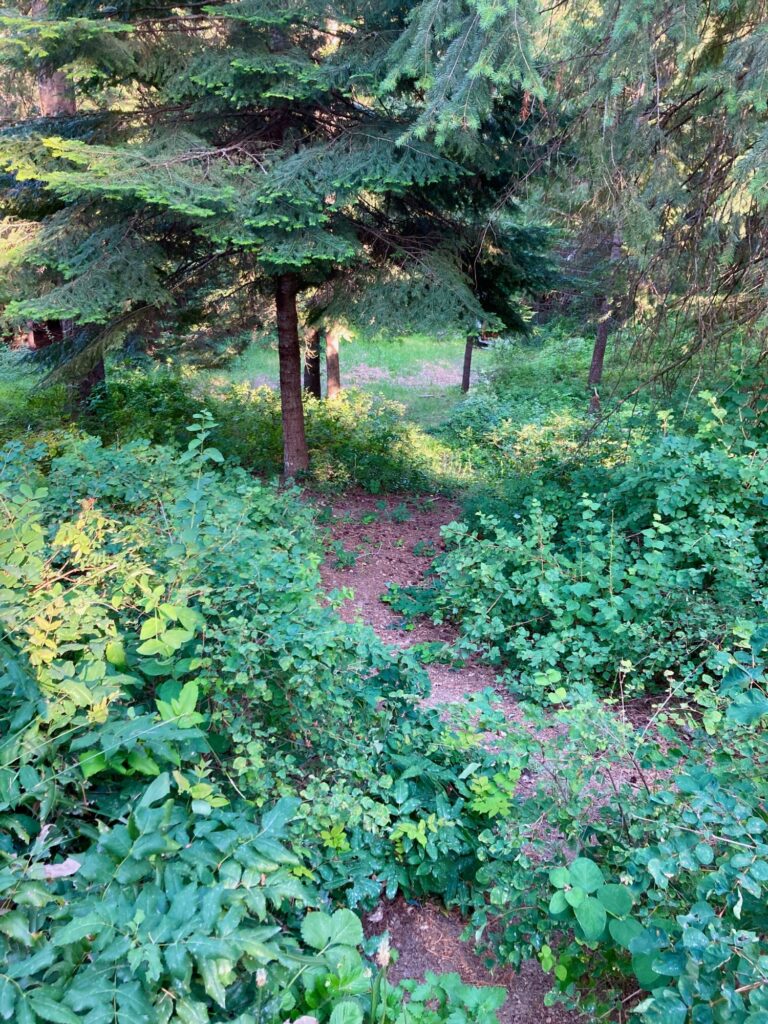
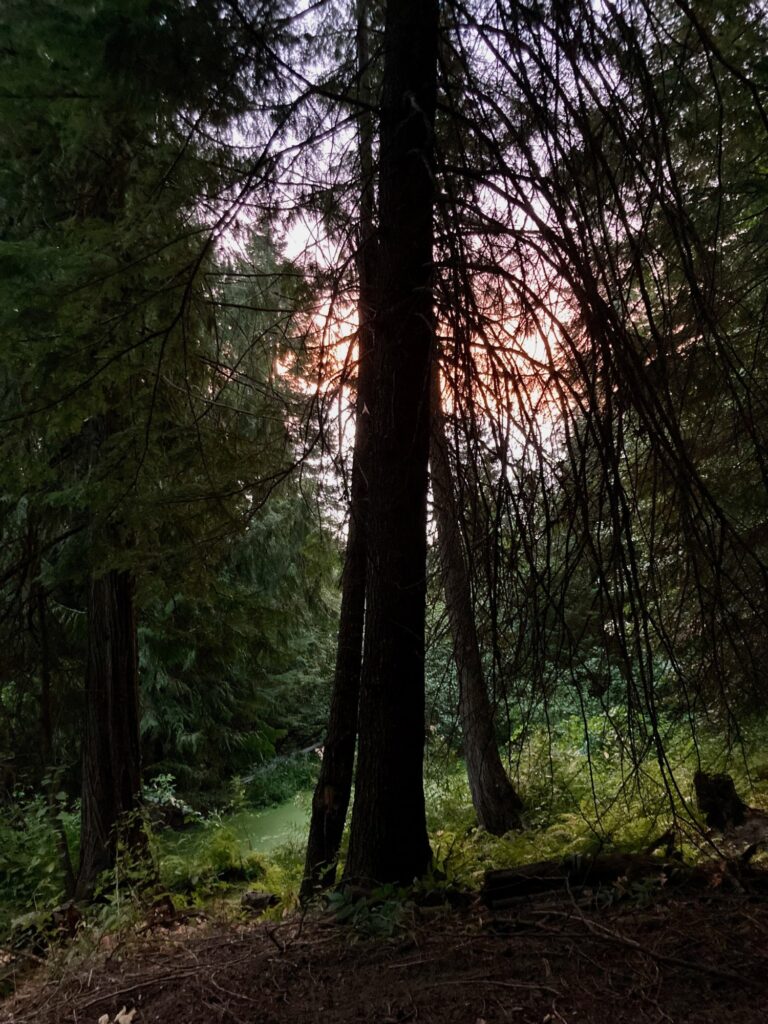
Deep in the Pacific Northwest, ten acres of conifer forest stand around a stone castle. Ponderosa pine and Douglas fir, grand fir and western larch; moss on the north sides, lichen on the wind-fallen branches, and paths that the deer keep as much as the keepers do. The forest is old enough to have moods, and the Keep has learned to live by them.
The Keep Itself
What was built here
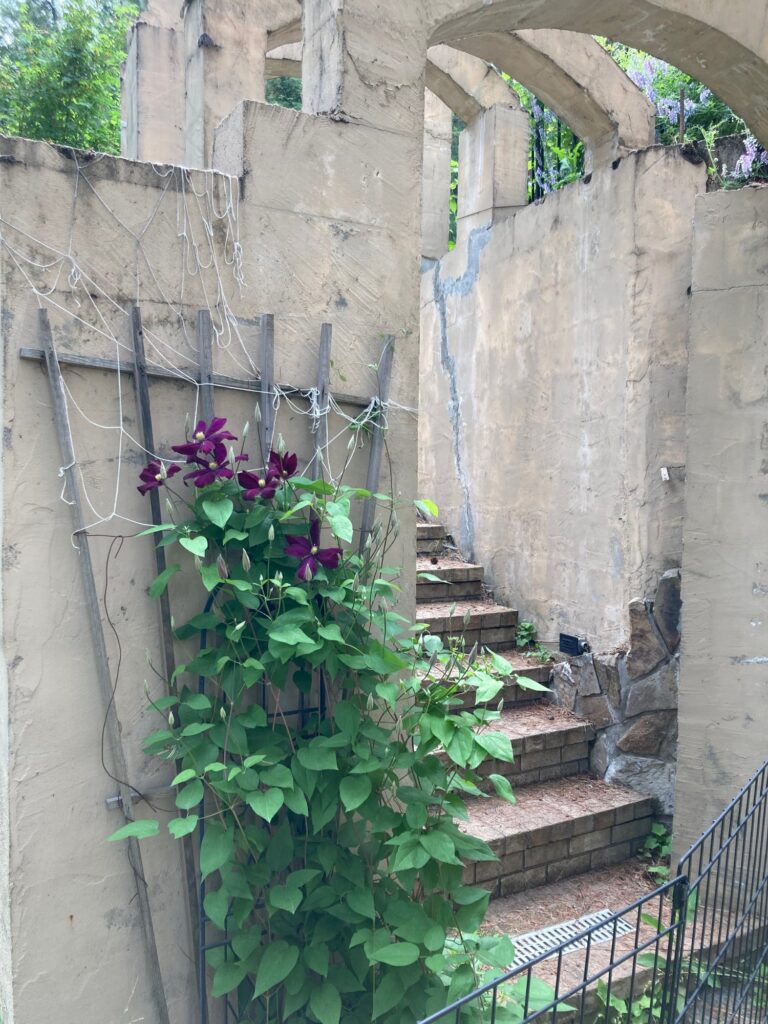
At the heart of the grounds stands the Keep itself: a castle made of countless bricks among the conifers, two wings joined by the Archway that bridges them. It was raised by hands that kept no records. Who built it, why here, what it was meant to become — no one now can say. Its story was never written down, and the ones who could have told it did not. The keepers have let the mystery stand rather than fill it with guesses. A castle in a forest does not need an invented past. It has stone, and moss, and time.
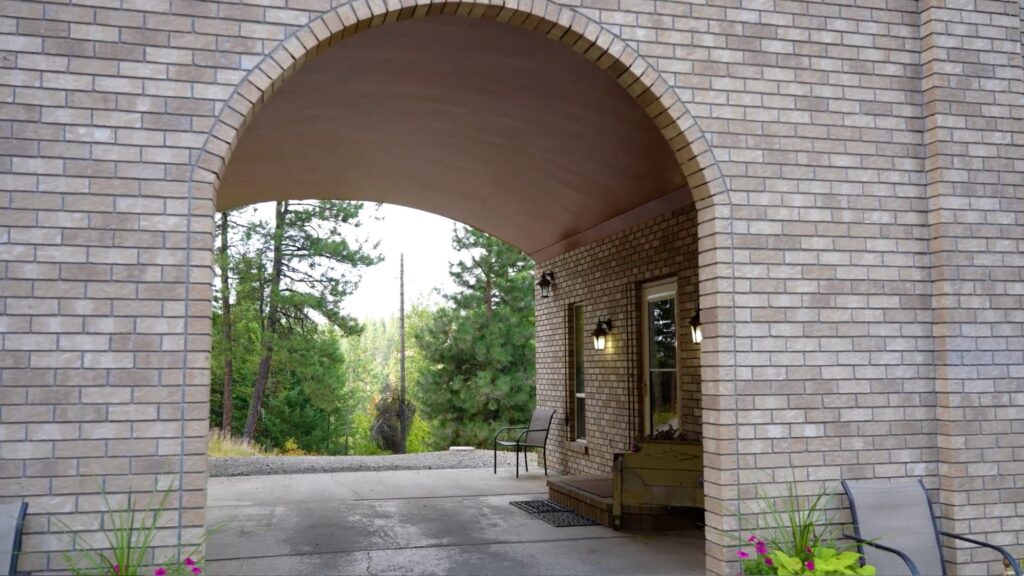
The Archway is the threshold. It bridges the two wings and frames what lies beyond, and the keepers pass beneath it on the way to the day’s work — baskets out, baskets in. Through the Archway, the forest begins.
The Keepers
Who tends this place
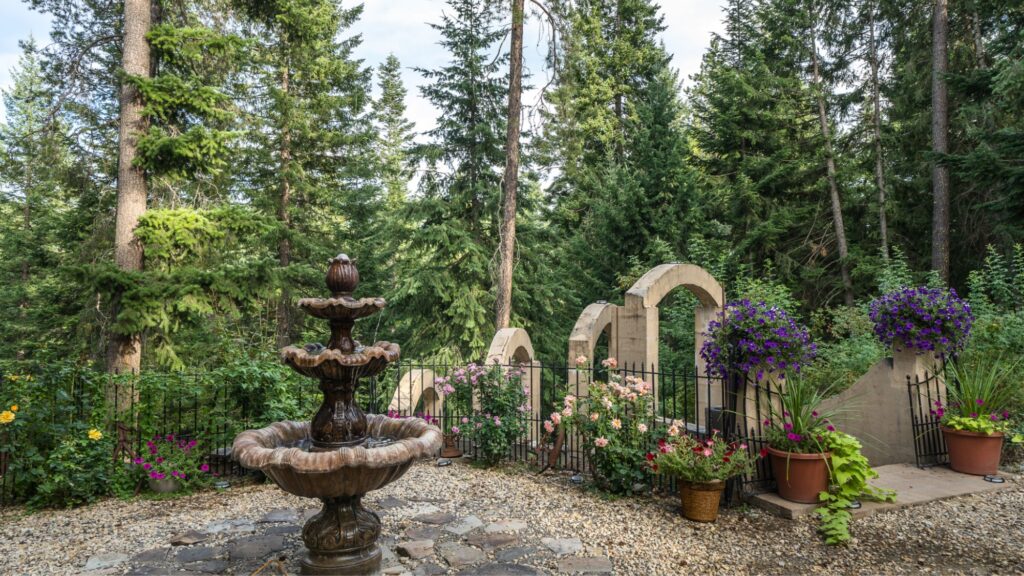
The Keep has keepers — a small family who tend the grounds, walk the fall paths after windstorms, keep the stillroom, and answer to the chickens. They appear in these pages the way they appear to the forest: as hands, as work, as attention. What the land offers, they gather; what the shop holds, they made.
The Winning of the Keep
How the keepers came here
The Keep was not easily won. The keepers found it in the hard winter of the plague years, buried to its knees in snow and already promised to another. They asked for it anyway — tending the mundane work of preparing for the transition and connecting with the spirit of the land to lay the path. The first promise broke, the way such things sometimes do, and the Keep changed hands as it stood: unseen, uninspected, its history withheld.
Spring showed them what the snow had hidden. The first years were spent hauling away what did not belong here, mending what had been left to fail, and letting the forest breathe again. The Keep asked a price, and the keepers paid it. Few good things come without one.
The Residents
Who lives here
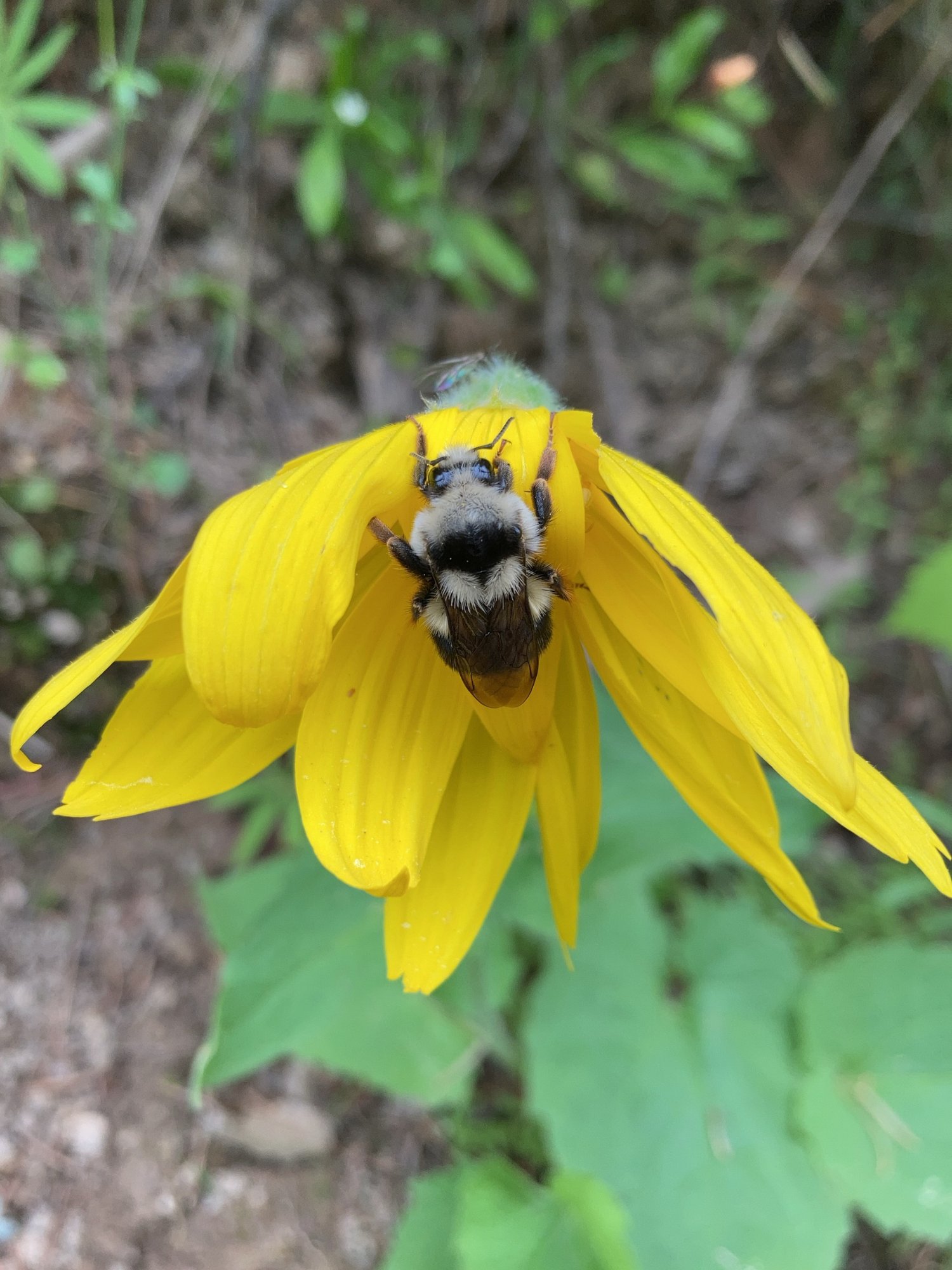
The keepers are not the main residents of these ten acres. In rough order of how much they let the keepers see:
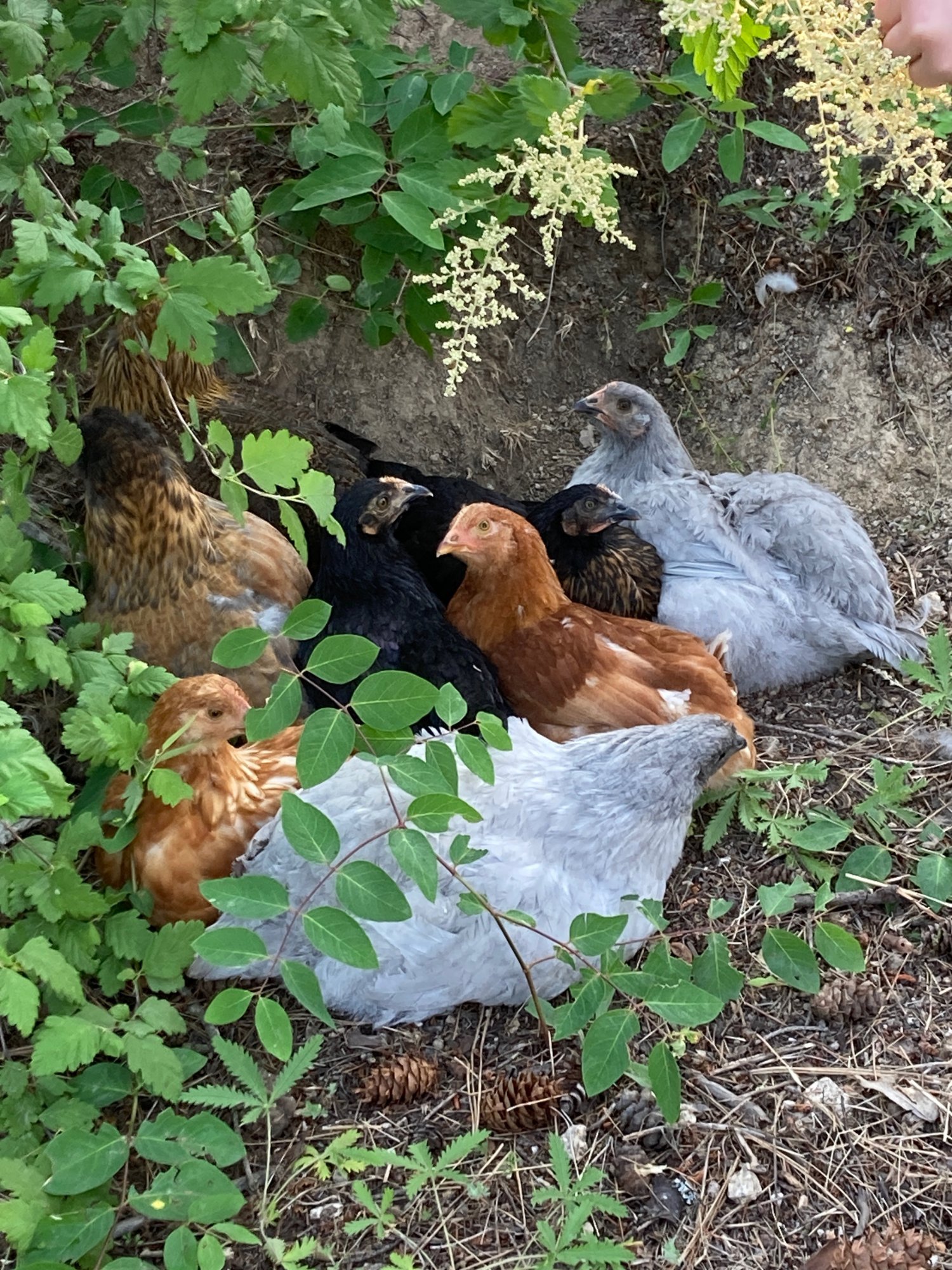
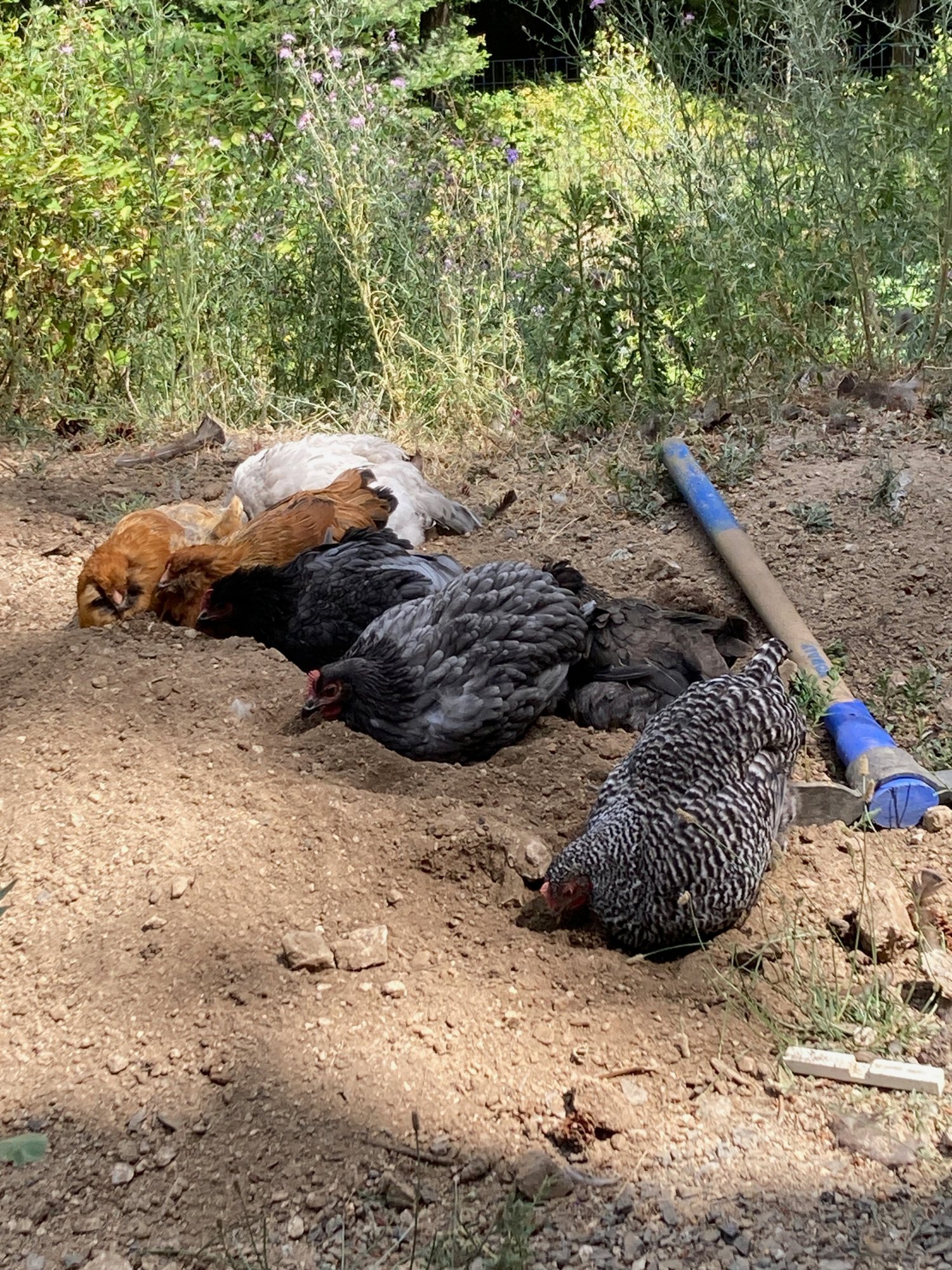
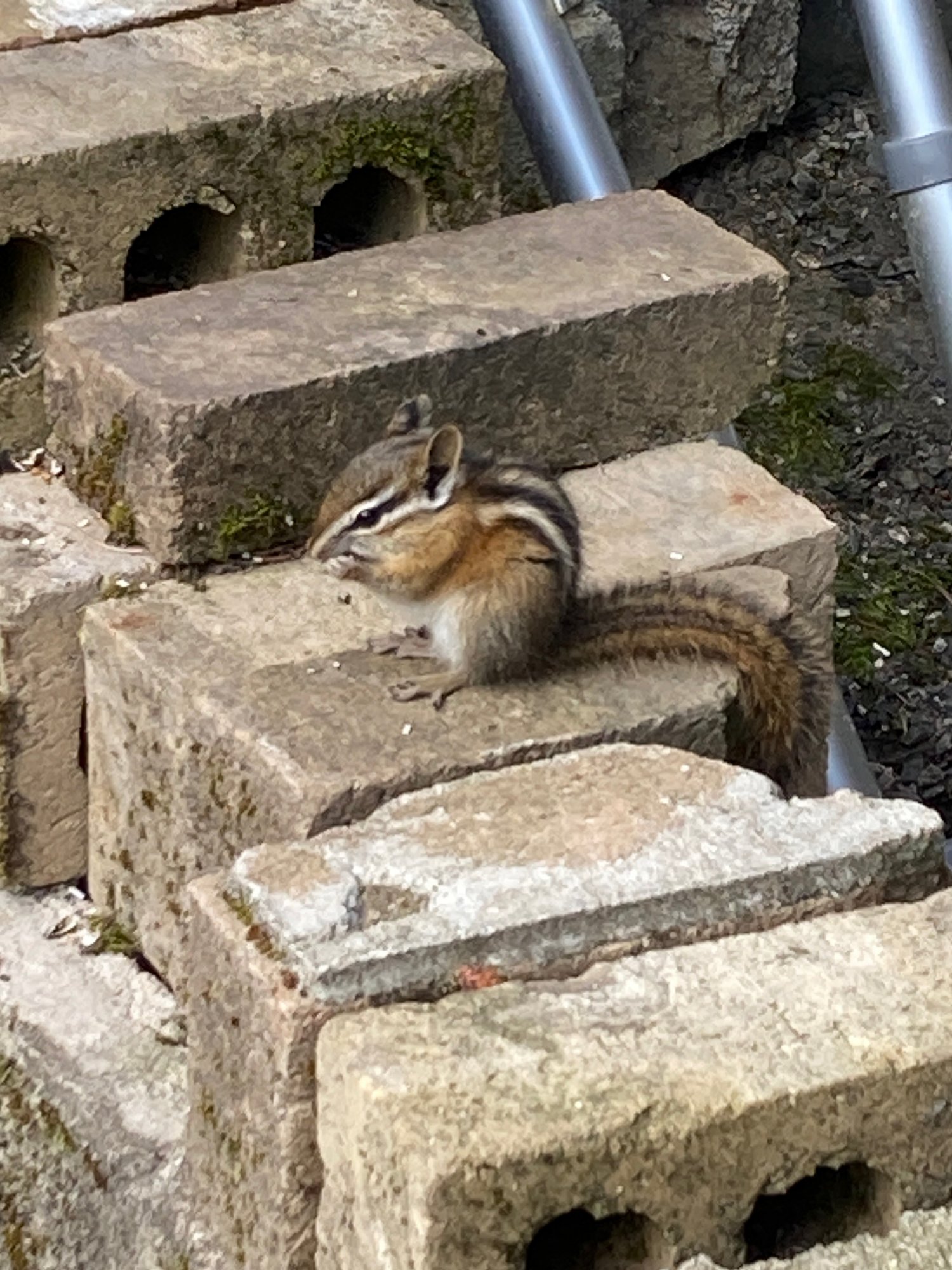
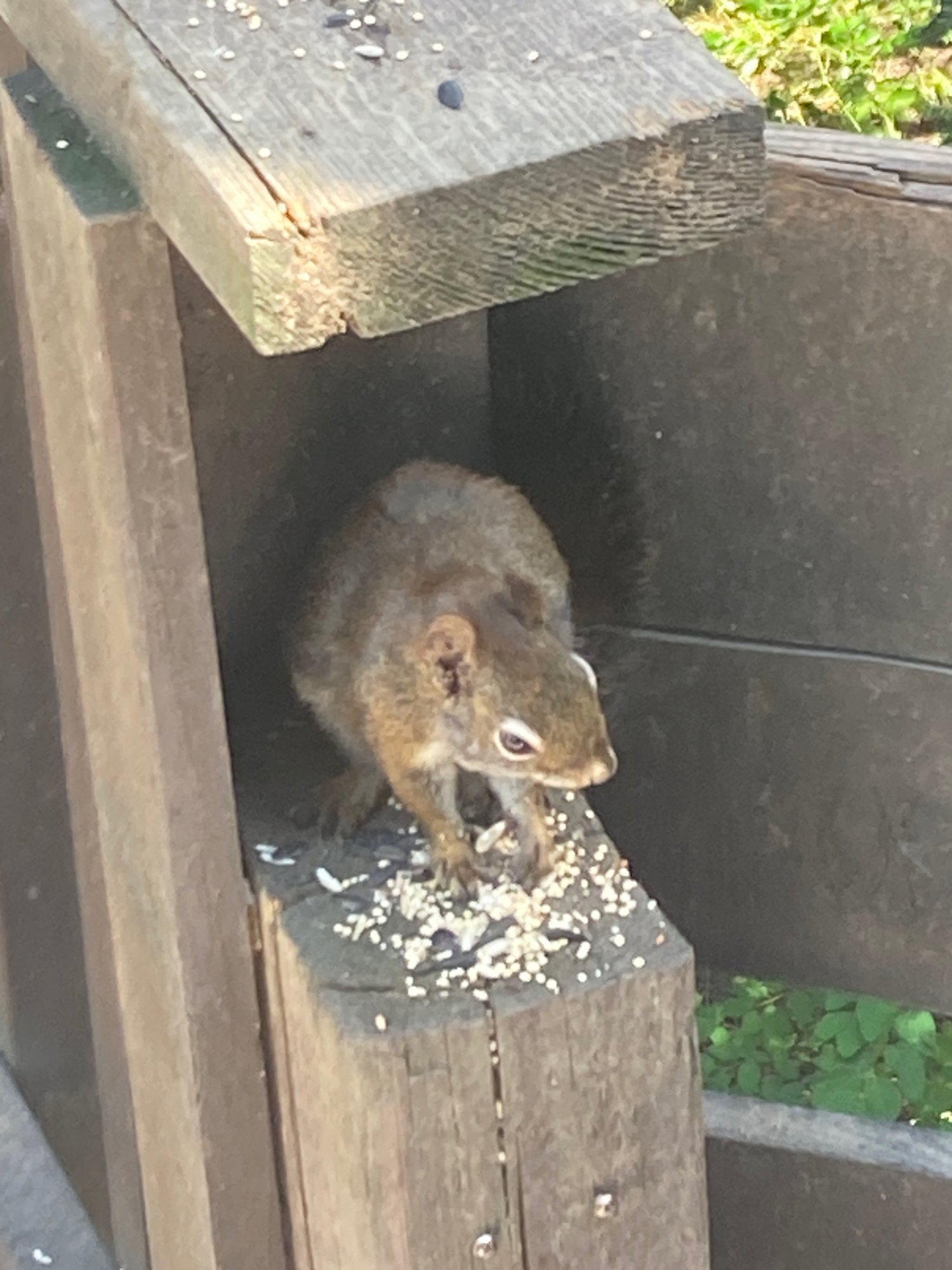
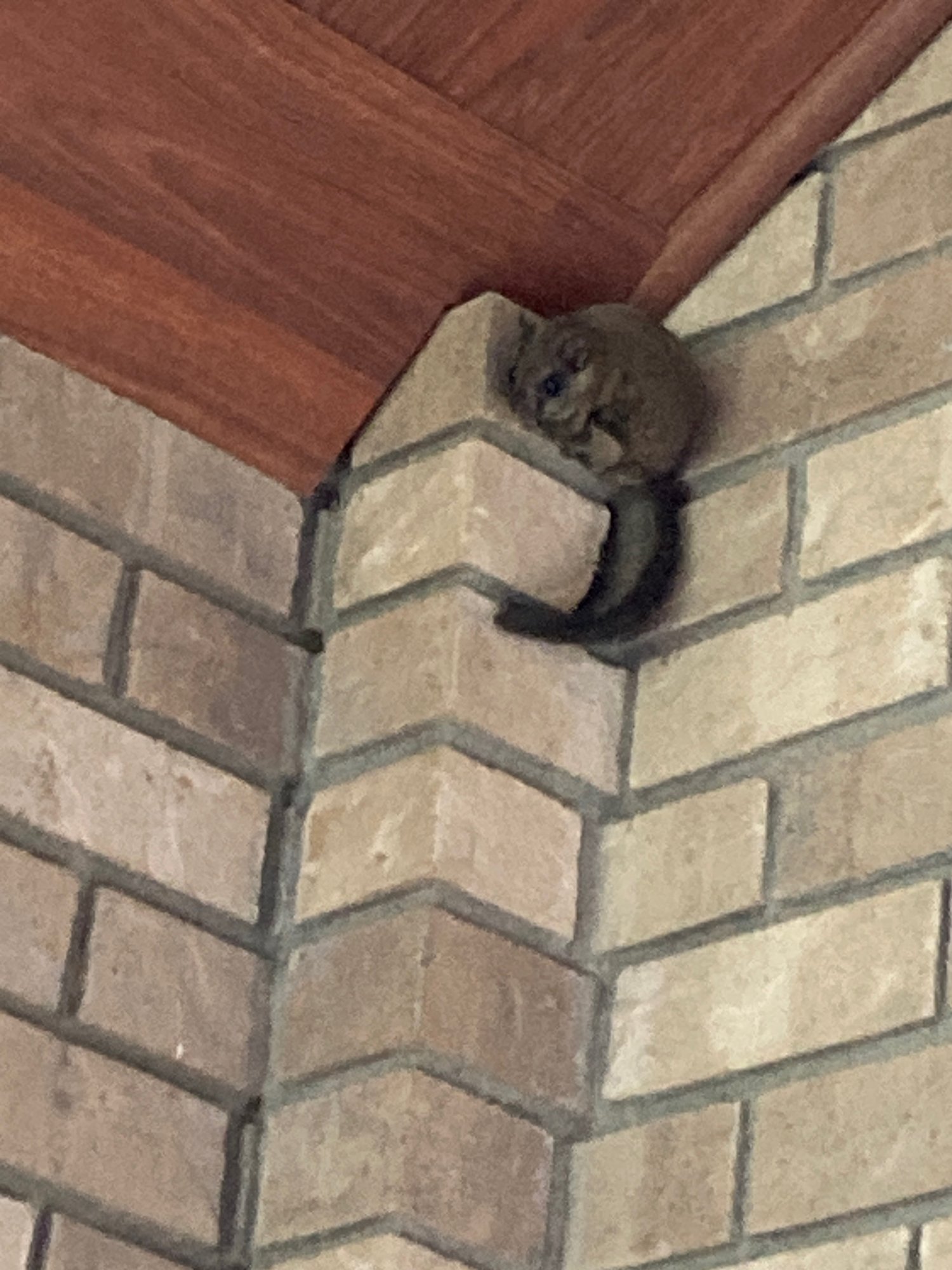
The daily company. The chicken flock, who supervise all outdoor work. Chickadees, nuthatches, juncos, and hummingbirds, who take their share of the keepers’ attention as a toll. Chipmunks and squirrels, who take their share of everything else.
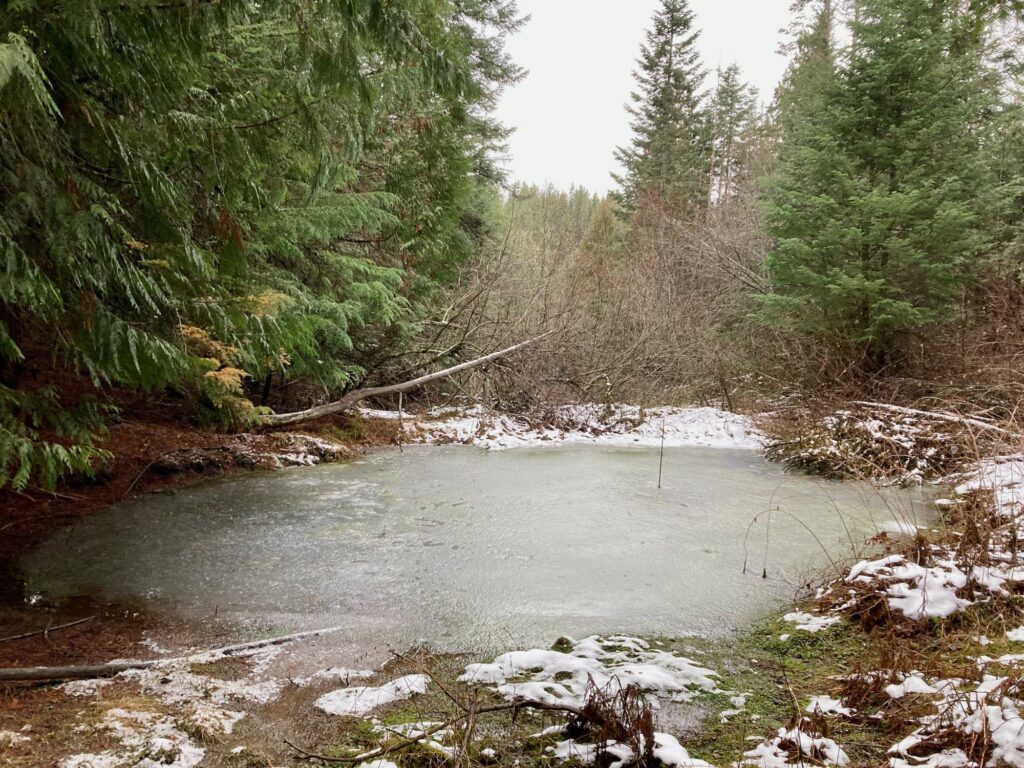
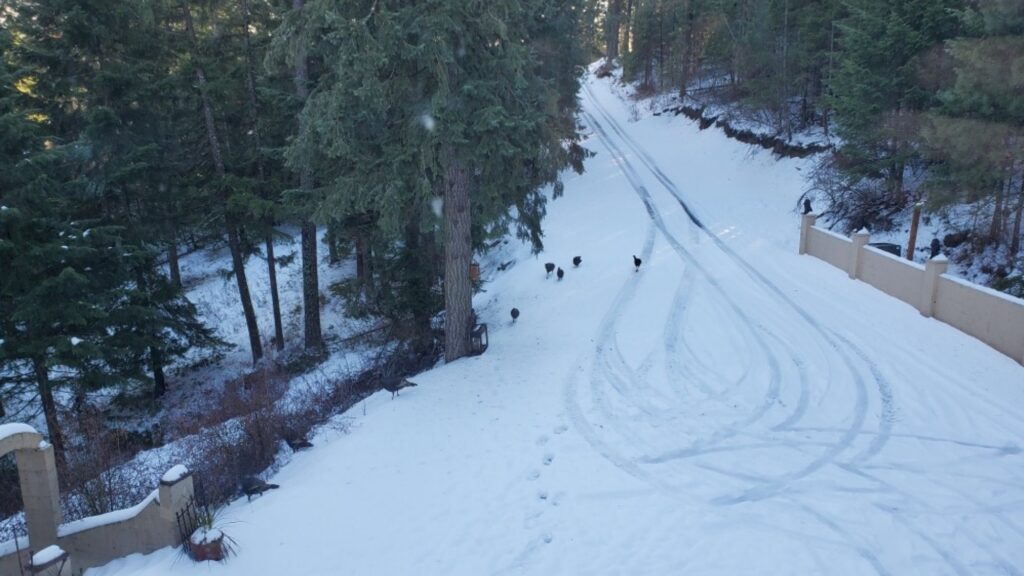
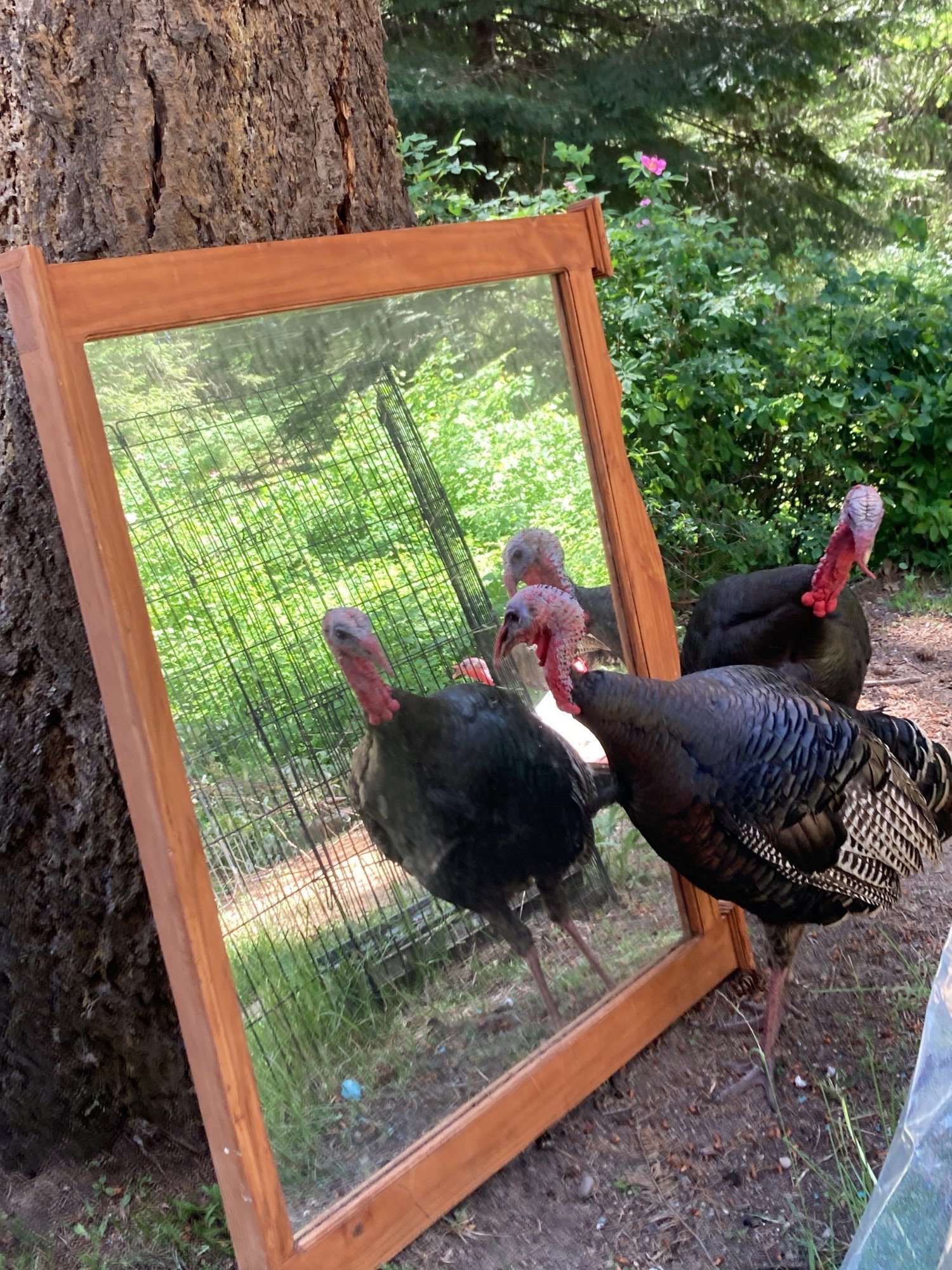
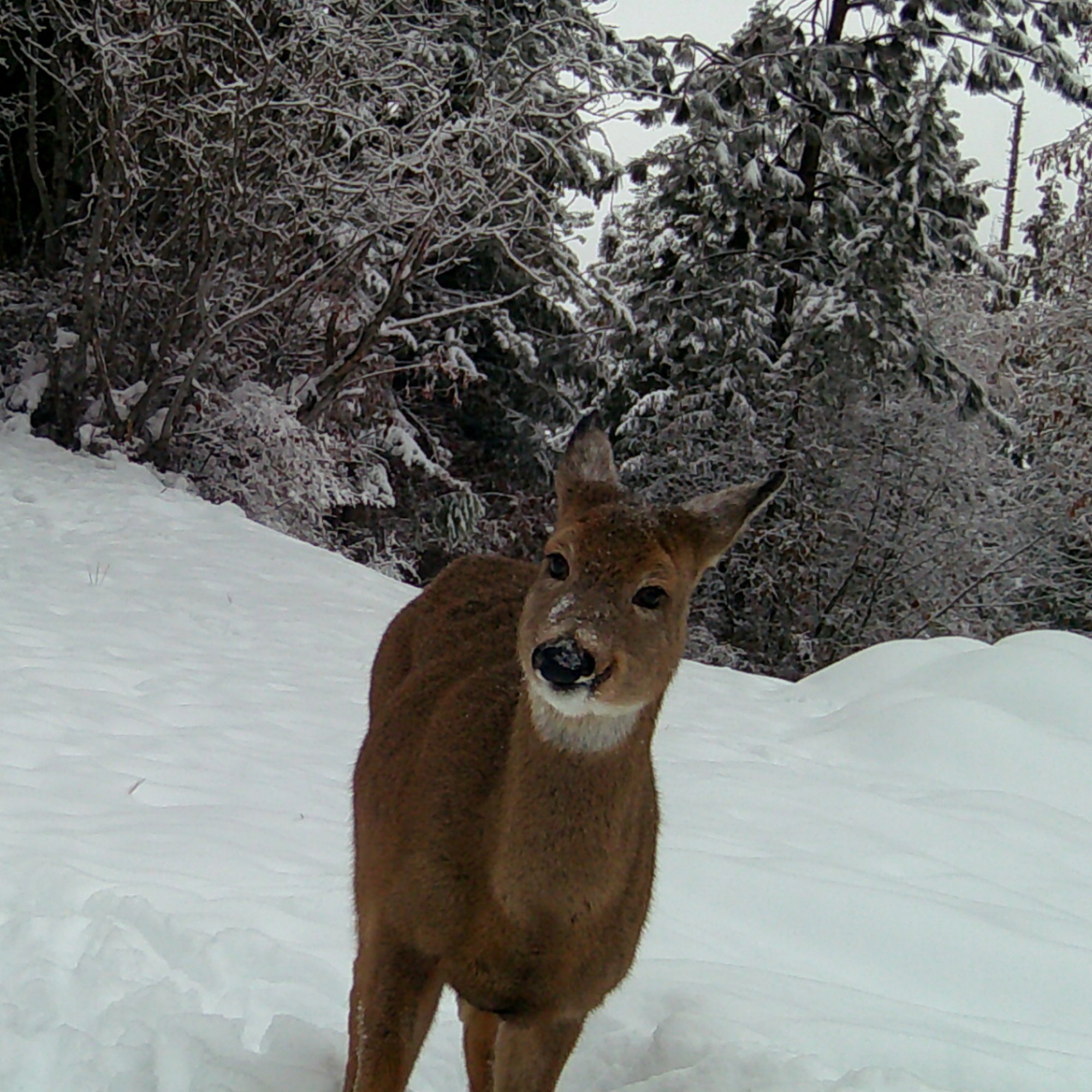
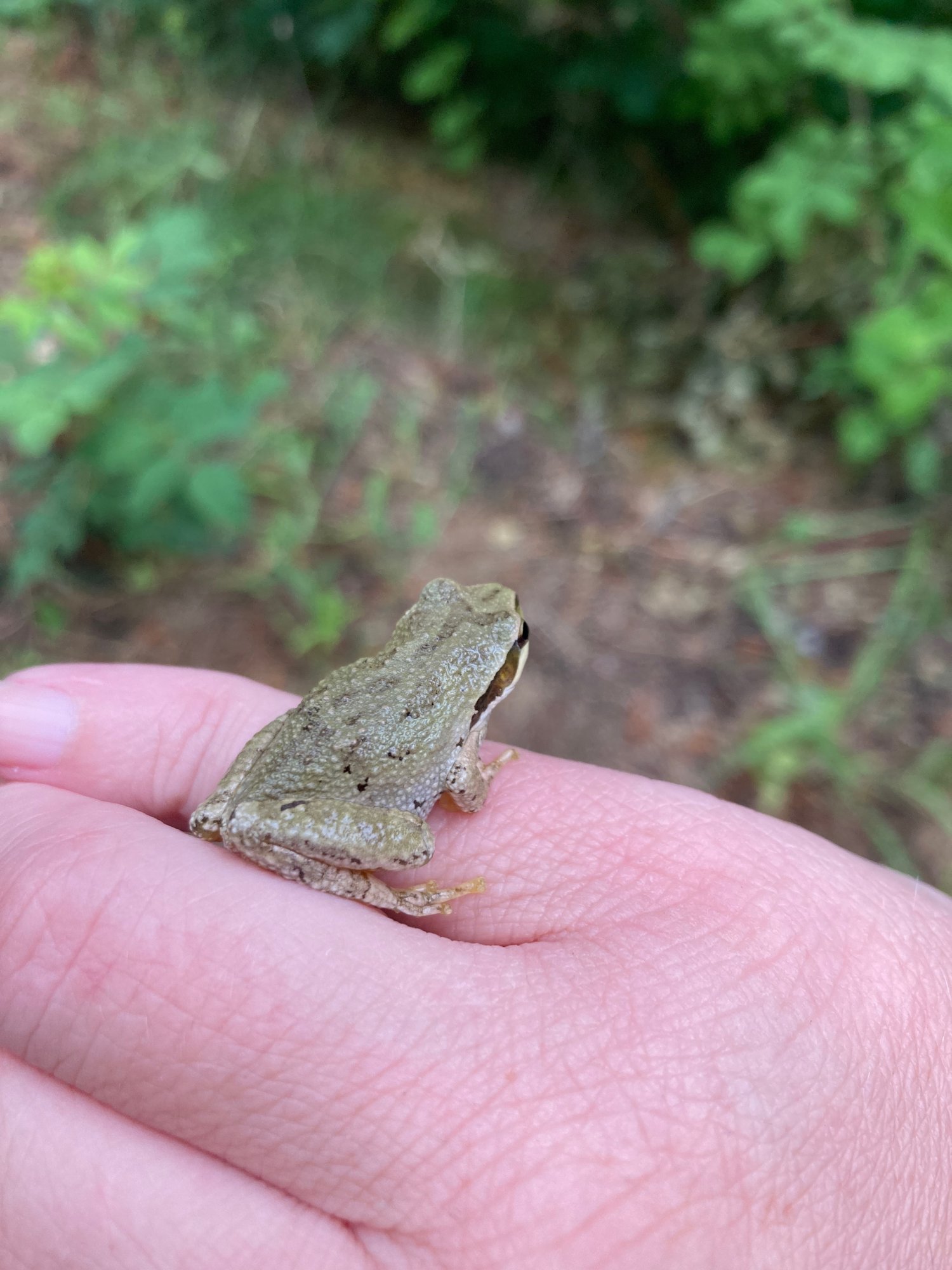
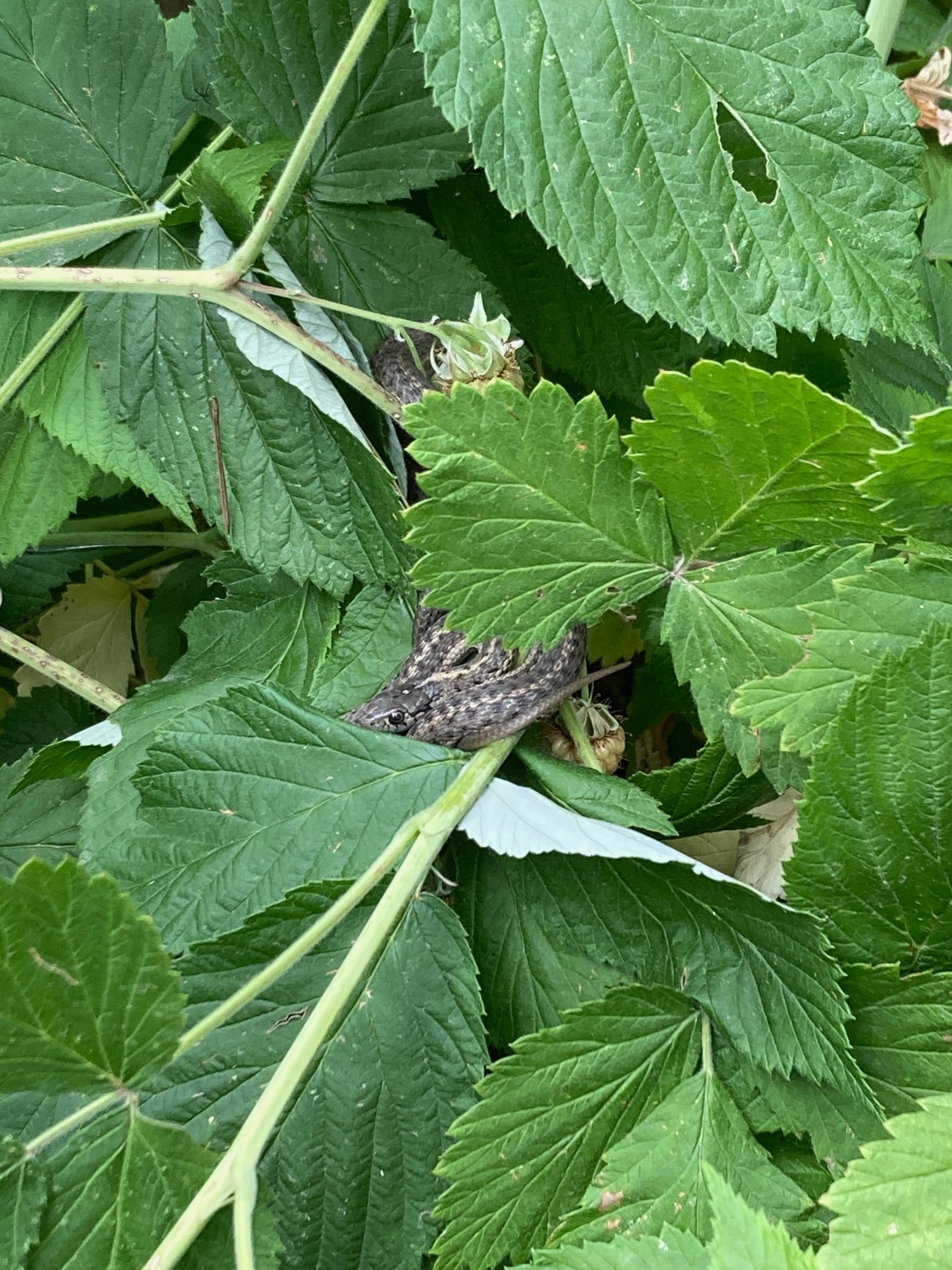
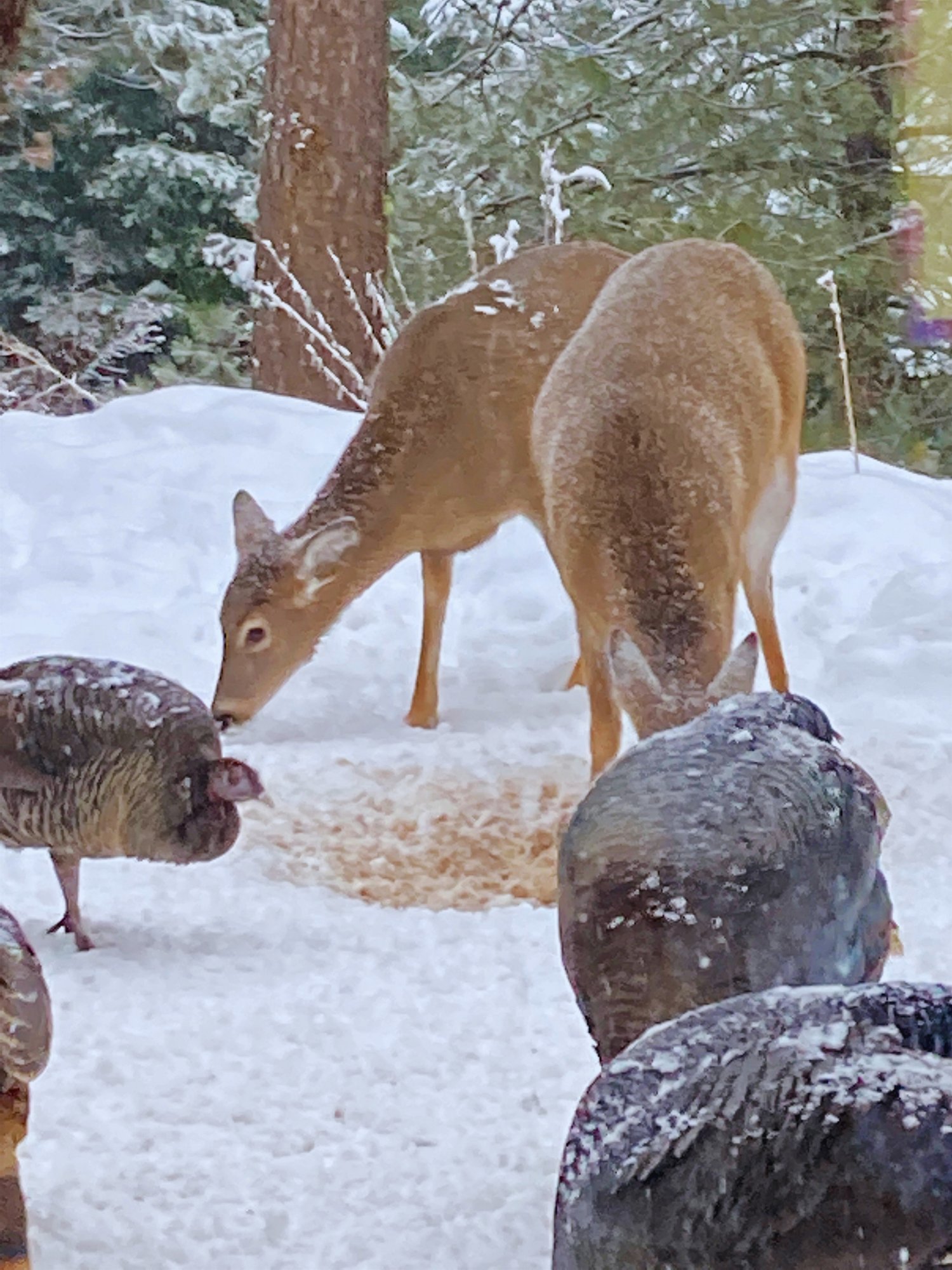
The neighbors. The wild turkey flock, who patrol the grounds like they hold the deed and leave their feathers where they walk. Deer at the fence line, taking a professional interest in the Garden. Crows, who announce everyone. Garter snakes in the sun, frogs at the Pond, rabbits in the margins.
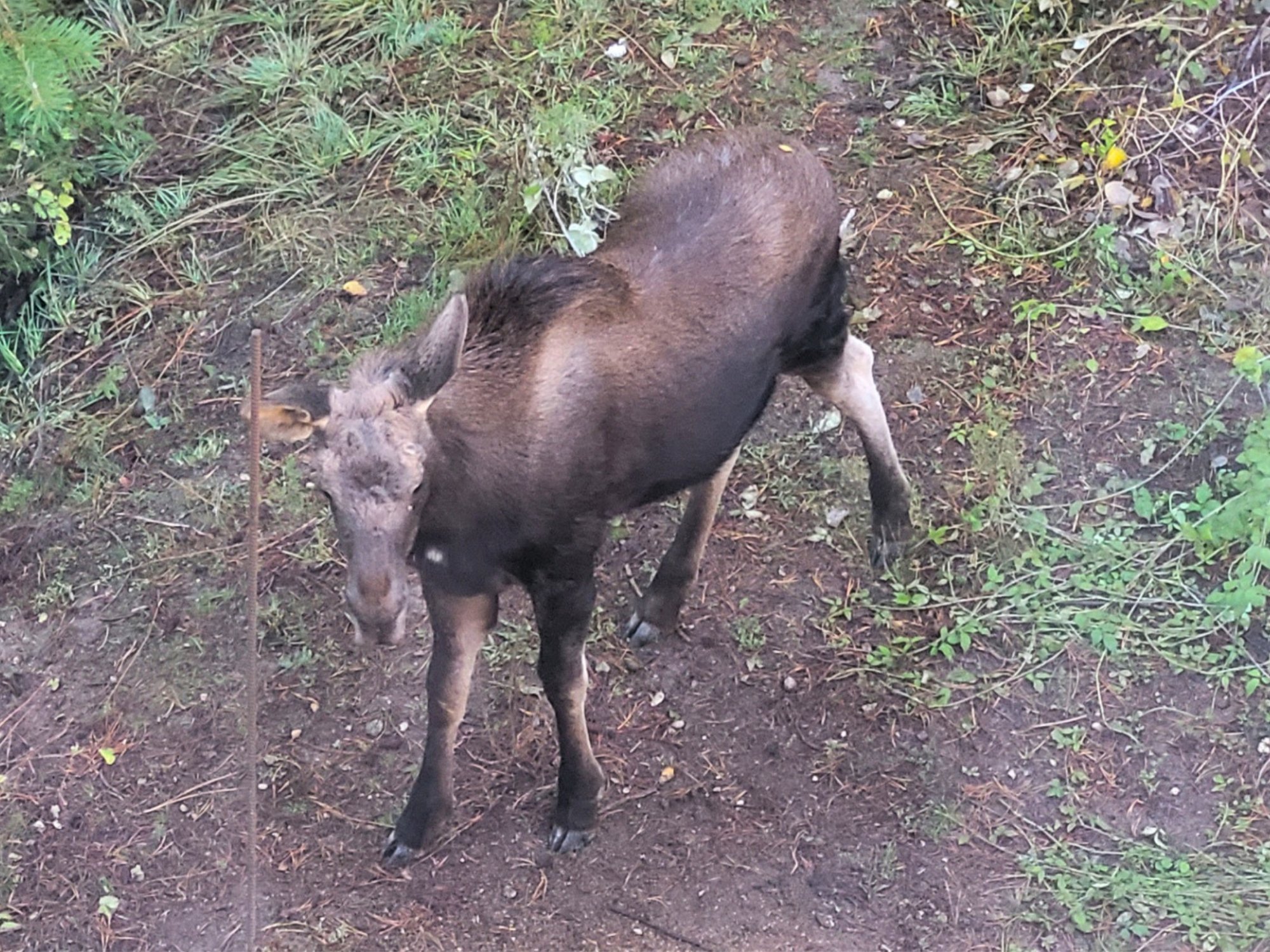
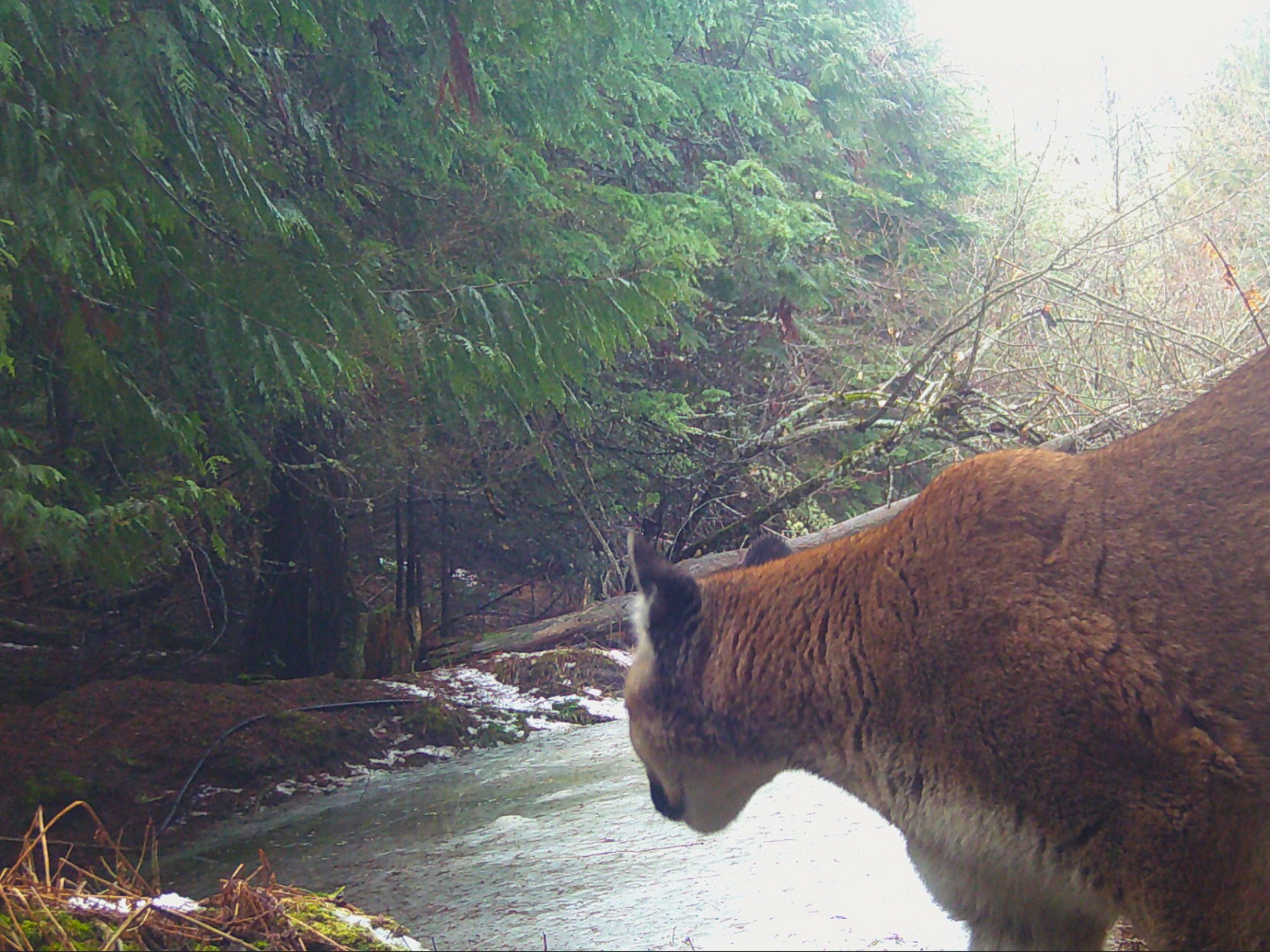
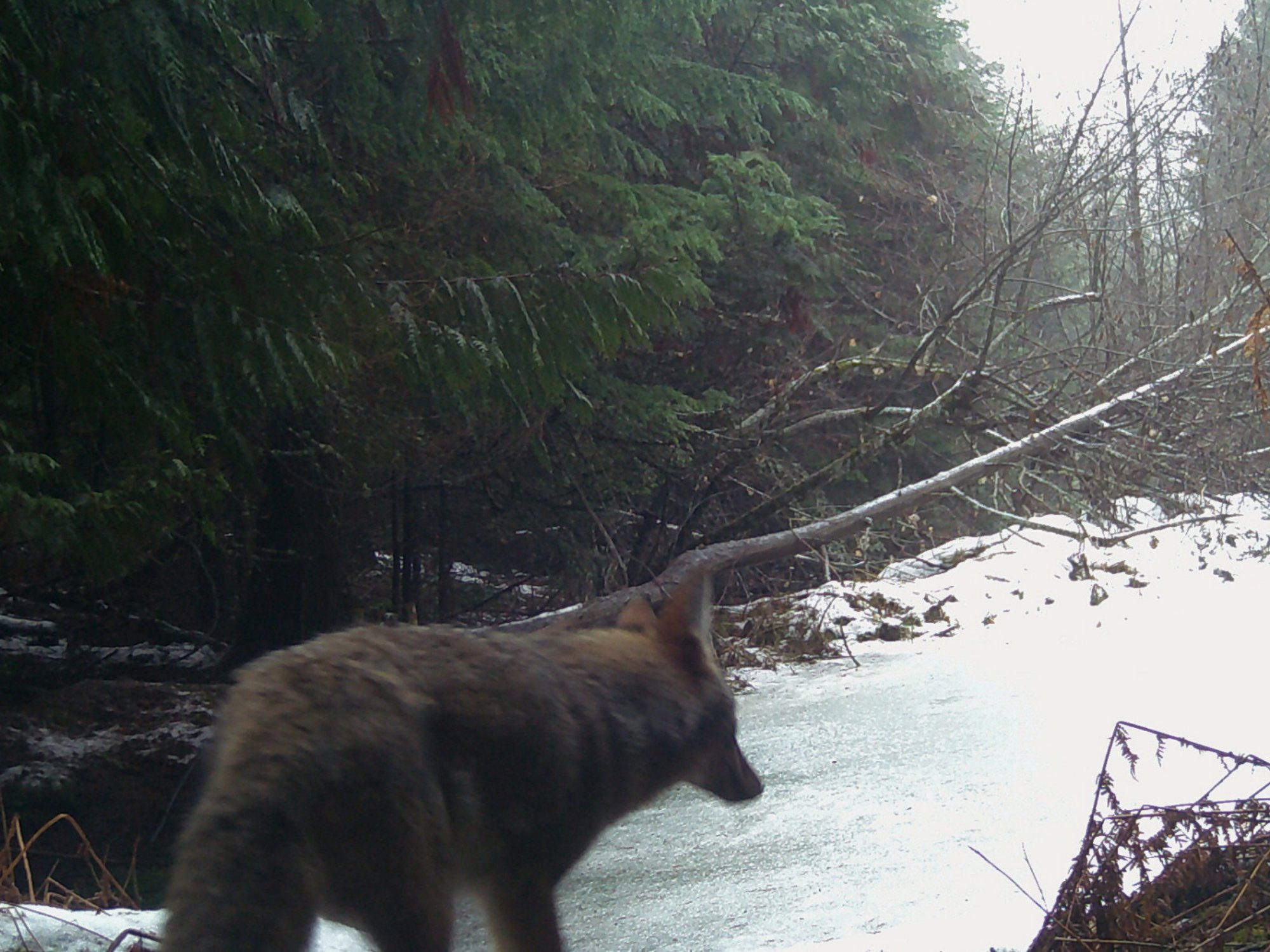
The passersby. Elk and moose, bear and cougar, coyote — the forest is genuinely wild, and sometimes the wild walks through. The keepers find the tracks and are glad of them, mostly after the fact.
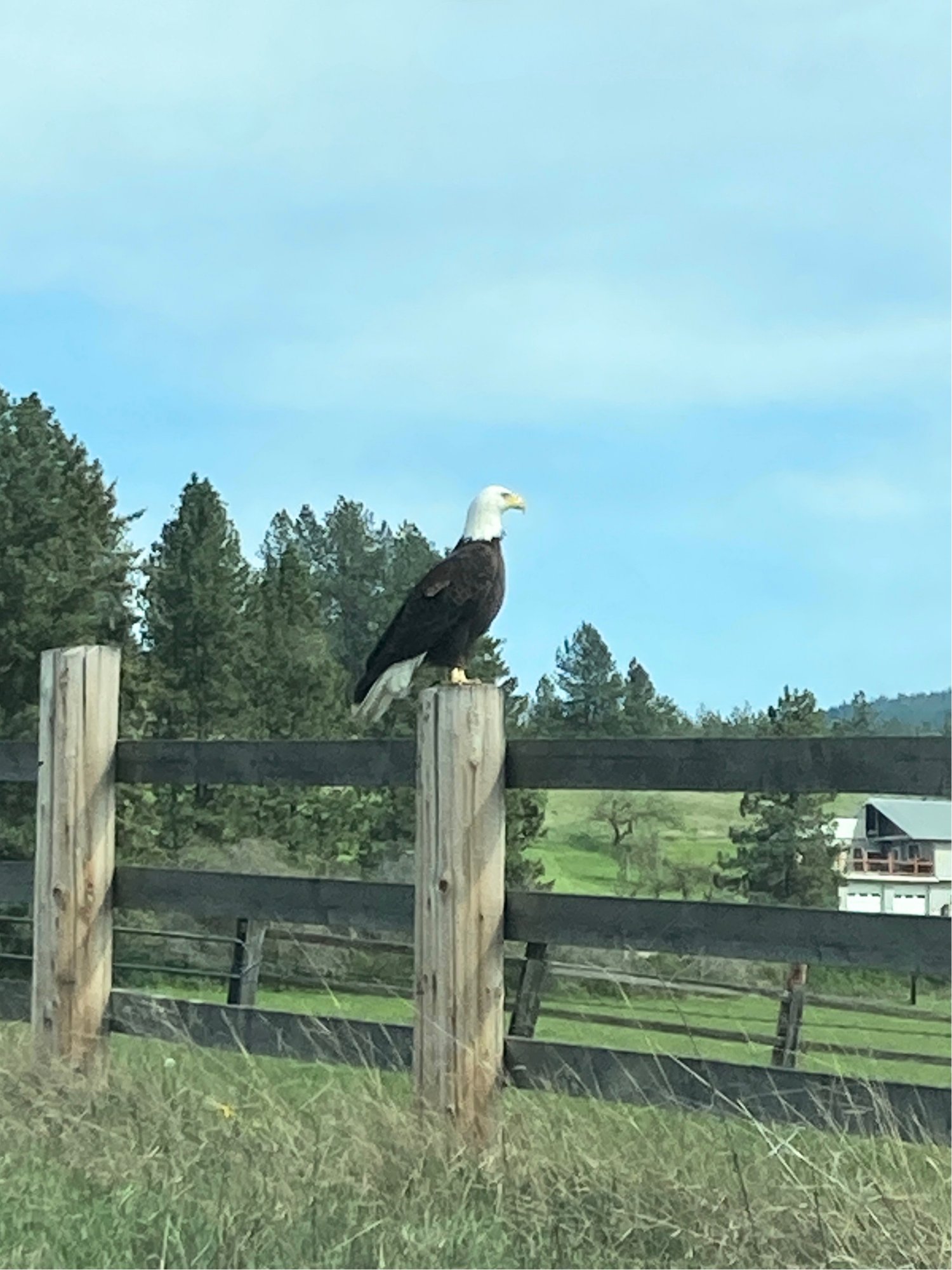
The sky hunters. Hawks, owls, and eagles are honored at a distance — magnificent, and politely asked to do their hunting somewhere the chickens aren’t.
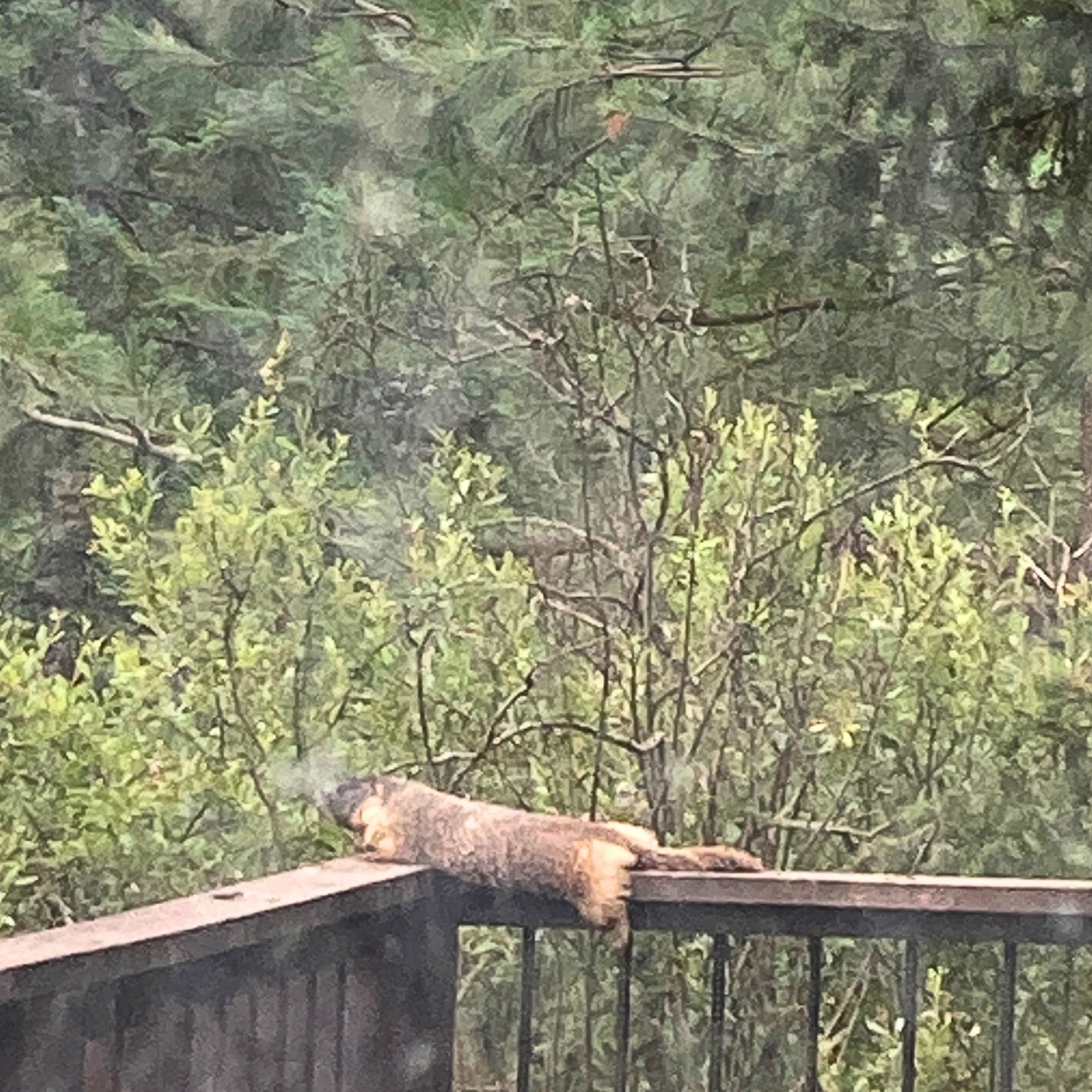
And once a year, a groundhog the family calls Sir Plumpsalot arrives to lounge on the deck railing for a single day, as if inspecting the year’s progress, and is gone again by morning. Where he spends the rest of his year, the keepers do not know and have never asked. The day is kept as a small festival.
The stillroom’s work is in the Apothecary. The season’s dispatches are in the Field Notes. The shop lives on Etsy.